- Automotive brake disc machining
- Gray cast iron precision cutting
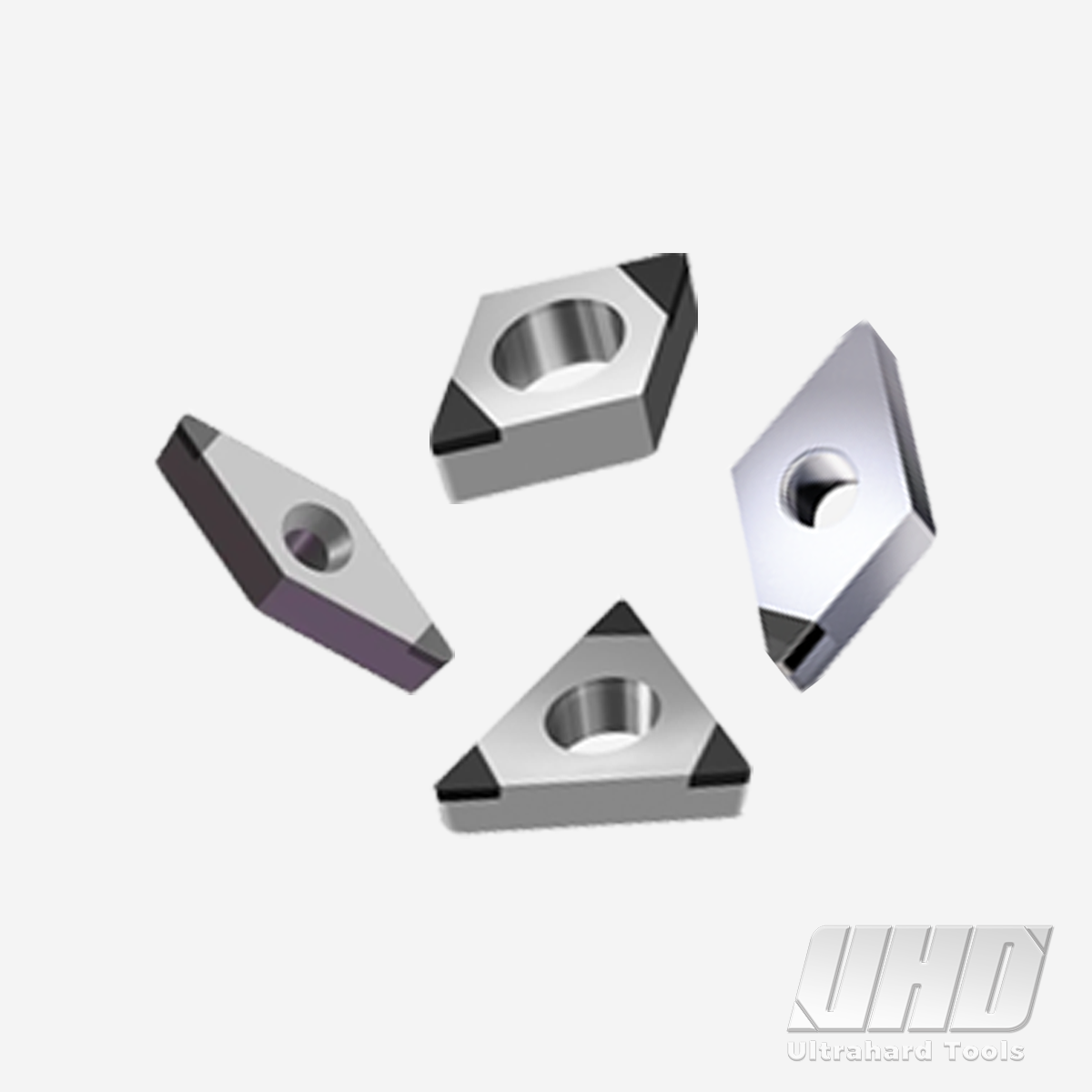
- CBN inserts for brake discs
- Turning instead of grinding
- Friction-surface finishing
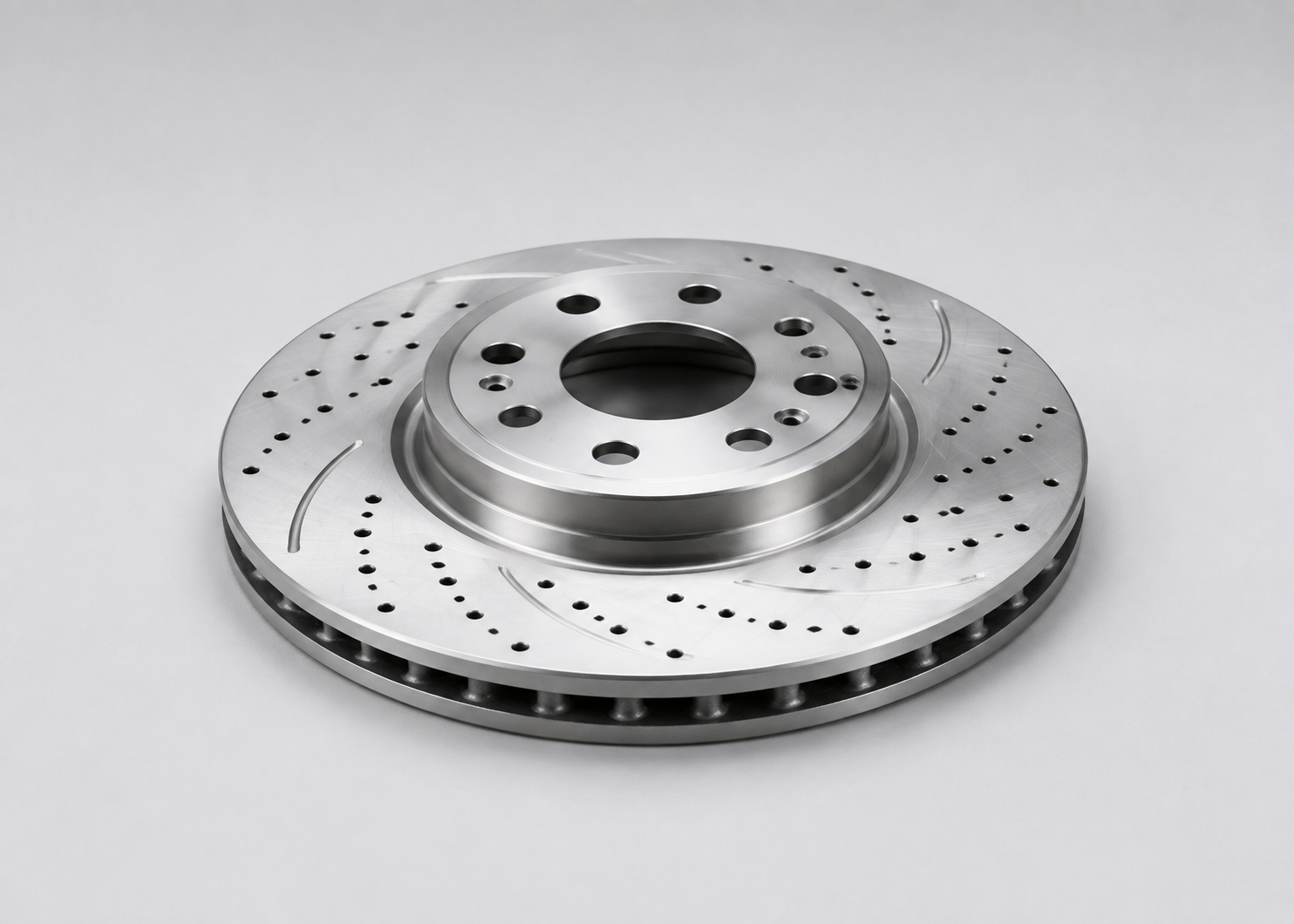
Cast Iron Brake Disc
Brake discs are critical braking components that require repeatable geometry and functional surface quality in high-volume production. Their material structure and dual friction surfaces make tool wear control a central process consideration.
- Typical materialsGray cast iron and ductile iron
- Machined areasFriction surfaces, end faces and center bores
- Key requirementsFlatness, dimensional stability and surface consistency
- Production modeContinuous, high-volume machining
Why Brake Disc Machining Requires a Matched CBN Solution
Material-Driven Wear
Hard particles and non-uniform microstructures in cast iron can accelerate edge wear, causing tool dulling and dimensional variation during batch production.
Functional Surface Control
Dual friction surfaces require reliable control of flatness, surface quality and dimensional consistency throughout the effective life of the cutting edge.
Process Efficiency
Grinding can provide surface quality but may extend the process chain. High-quality CBN turning can reduce grinding allowance or replace selected grinding tasks where conditions allow.
Recommended CBN Inserts by Machining Stage
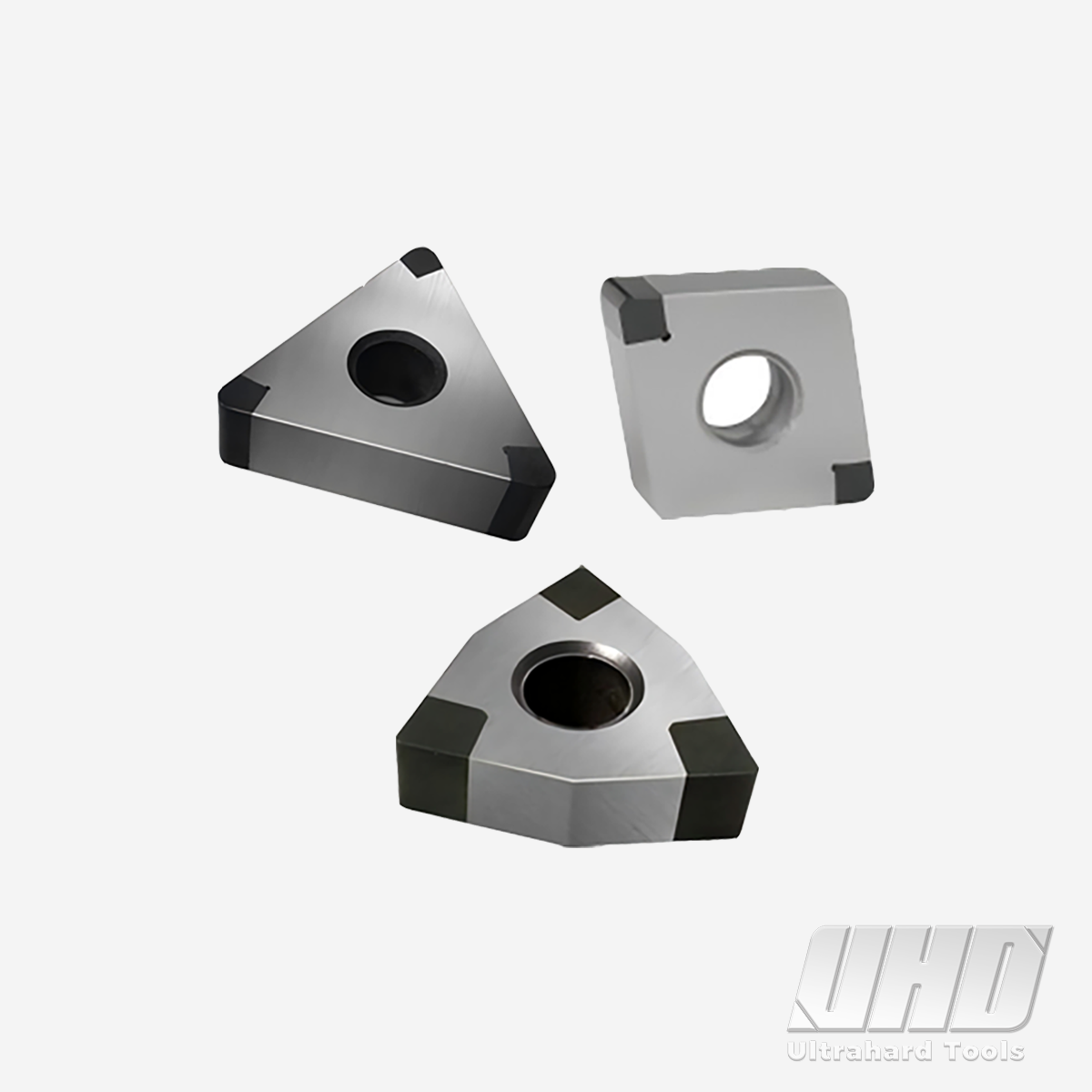
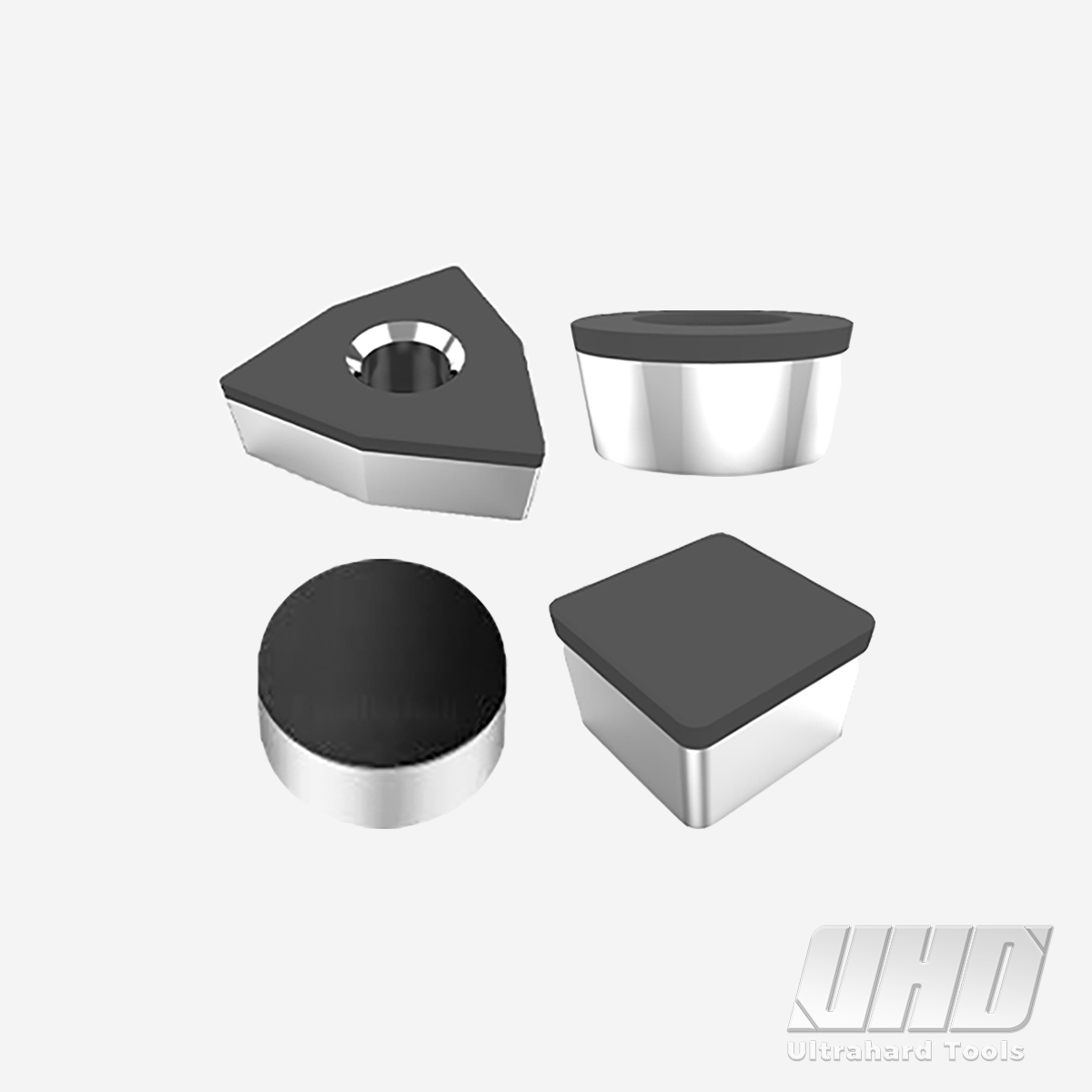
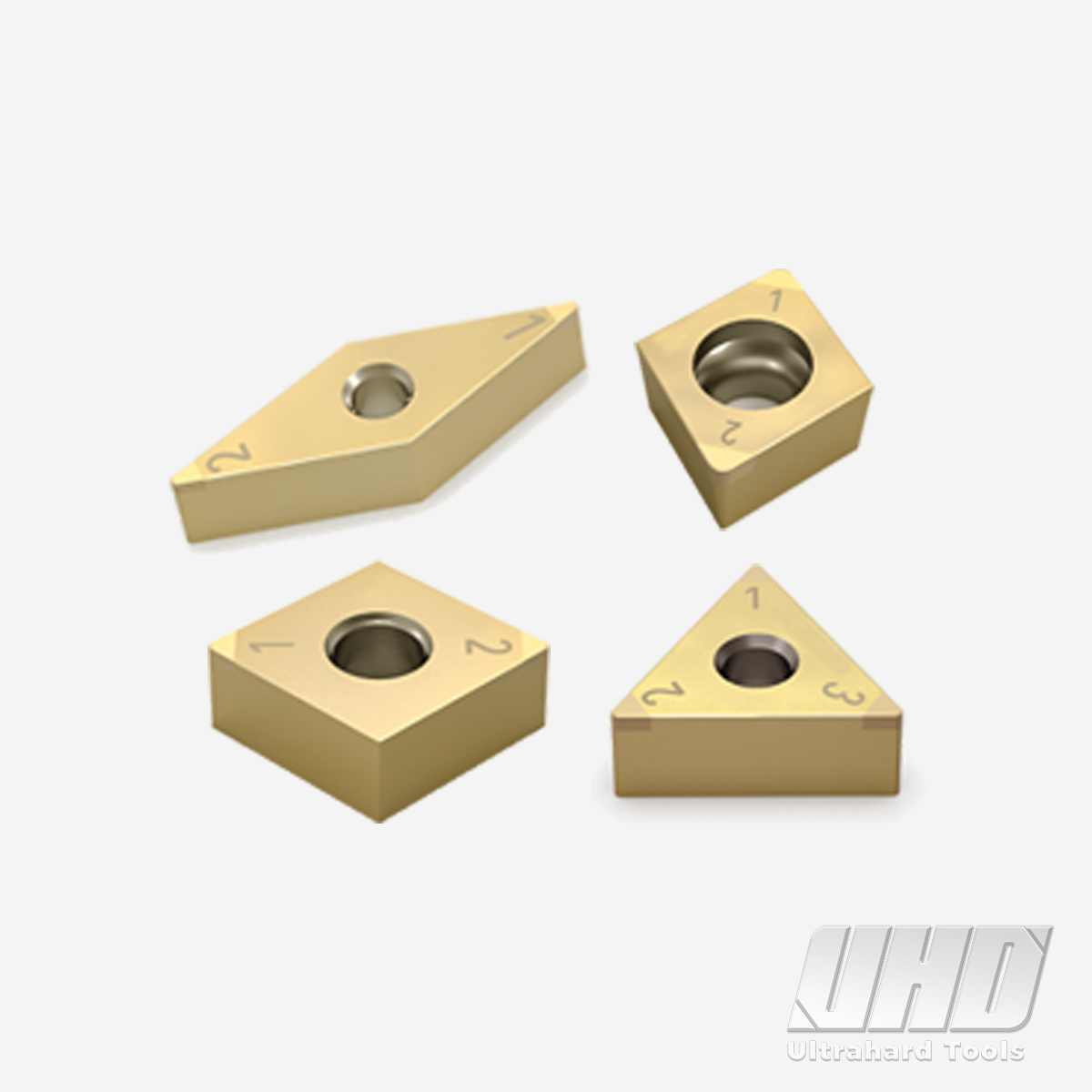
UHD applies different CBN insert structures to distinct machining tasks rather than using a single insert for all operations. Hover over a tooling option to view its corresponding application image and details.
Implementation Logic for Stable Brake Disc Production
- Confirm material and conditions: assess cast iron grade, hardness, casting quality, stock allowance, interrupted cutting risk, machine rigidity and clamping method.
- Match insert structure to operation: separate roughing, friction-surface finishing and high-quality turning tasks according to the required output.
- Optimize edge and parameters: refine edge preparation, insert geometry and cutting parameters based on actual workpiece and equipment conditions.
- Validate and improve: evaluate parts per edge, tool-change frequency, dimensional consistency, cycle time and downstream process impact.
Application note: Whether a brake disc can fully achieve turning instead of grinding depends on part quality standards, material condition, machine rigidity, fixture accuracy and validated cutting parameters.
Operational Value for Brake Disc Manufacturers
More Stable Dimensions
CBN wear resistance helps reduce dimensional drift associated with progressive edge wear during cast iron machining.
Consistent Surface Quality
Process-specific finishing inserts support repeatable friction-surface quality and more controlled flatness performance.
Lower Total Processing Cost
Evaluation extends beyond insert price to include tool life, changeover time, production rhythm, scrap risk and potential reduction of grinding operations.
UHD Brake Disc Machining Support
Henan UHD Ultrahard Tools Co., Ltd provides CBN material development, digital manufacturing, precision inspection and non-standard tooling support for precision metal cutting. For brake disc applications, UHD can collaborate on insert selection, edge preparation, tooling structure and cutting parameter optimization based on the actual production condition.