Typical Workpieces and Machining Challenges
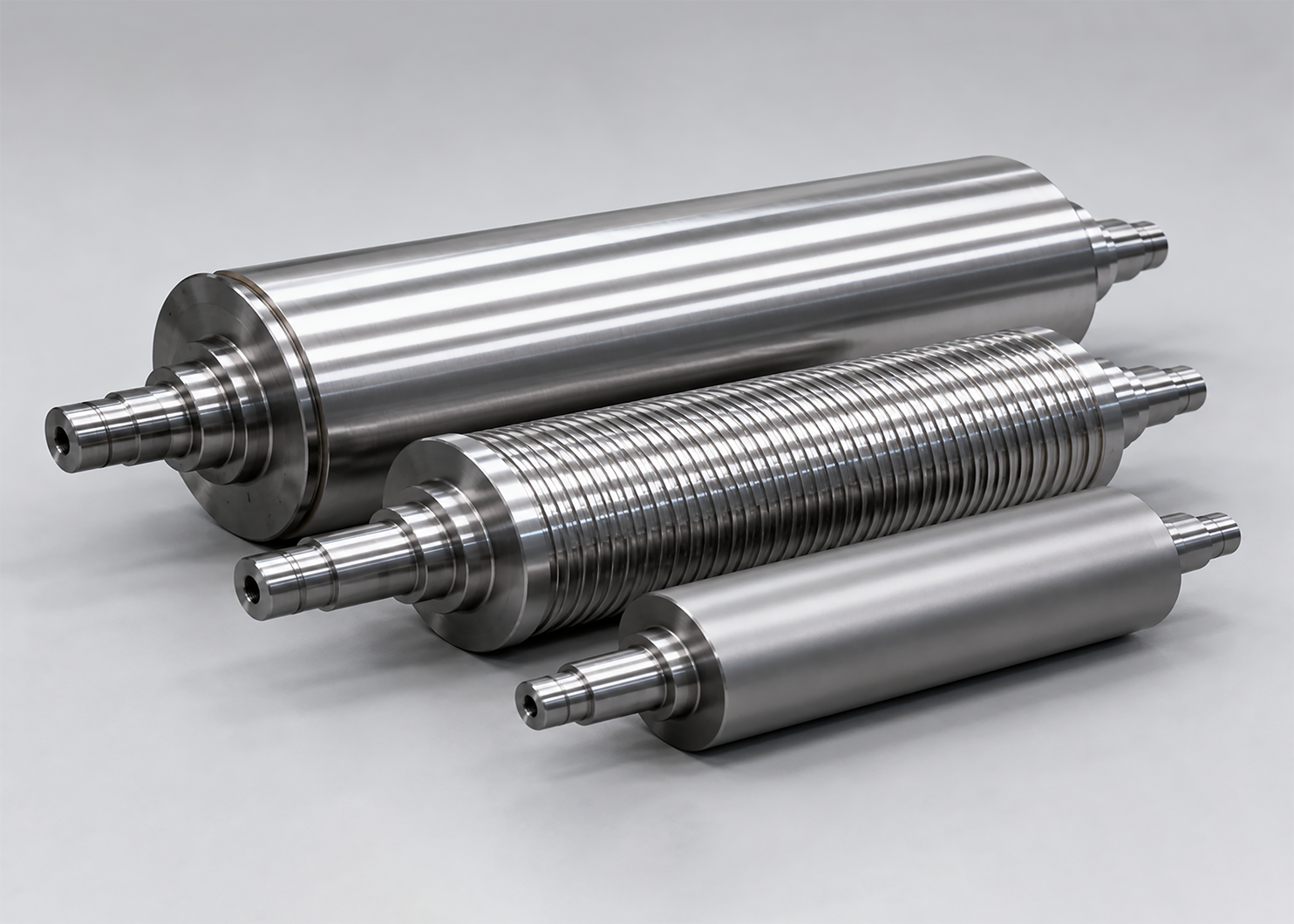
After heat treatment to HRC58–64, work rolls, cold rolls, backup rolls, and straightening rolls may experience intermittent impact at the roll shoulder fillets, tool marks, and differences in material structure; the outer diameter of long rolls places even higher demands on wear consistency and dimensional retention.
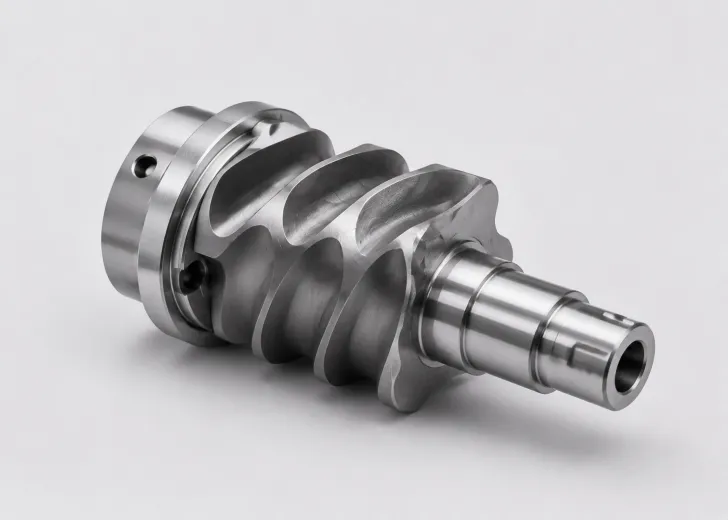
Typical PartsWork rolls, cold rolls, backup rolls, straightening rolls
Processing MaterialHigh-chromium cast iron, high-chromium steel, alloy cast steel
Heat treatment hardnessHRC58–64
Critical areasRoll body OD, roll neck, end face, roll shoulder, and various grooves
Core solution logic: matching insert structure to process load
Hard turning of rolls is not suitable for a single insert to cover all operating conditions. UHD breaks down different areas and loads into matched configurations: roughing focuses on impact resistance, finishing focuses on wear resistance and surface consistency, final finishing focuses on edge stability, and groove machining uses dedicated formed structures.
01Rough turning for impact resistance
Handles large stock variation and interrupted cutting loads, reducing the risk of edge chipping.
02Finish turning for stable wear resistance
Controls wear behavior and reduces dimensional drift and roughness fluctuations.
03Final finishing for precision retention
Supports roll geometry and surface quality control with stable edge performance.
04Dedicated forming for groove machining
Matched to groove constraints, concentrated loads, and chip evacuation conditions.
On desktop, hover over the corresponding module to view the applicable process and images; on mobile, all module information will be displayed in full. Specific grades, edge preparations, and cutting parameters should be confirmed based on machine rigidity, clamping method, stock allowance, and cutting conditions.
Typical application scenarios and configuration approach
Rough machining of work rolls and backup rolls
Problem:Large stock removal combined with interrupted impact can easily cause chipping and unplanned tool changes.
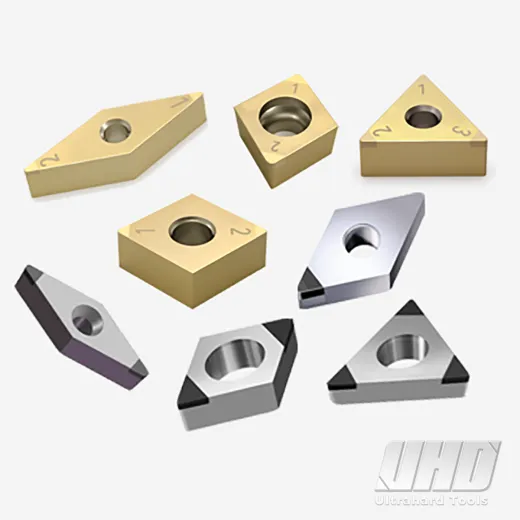
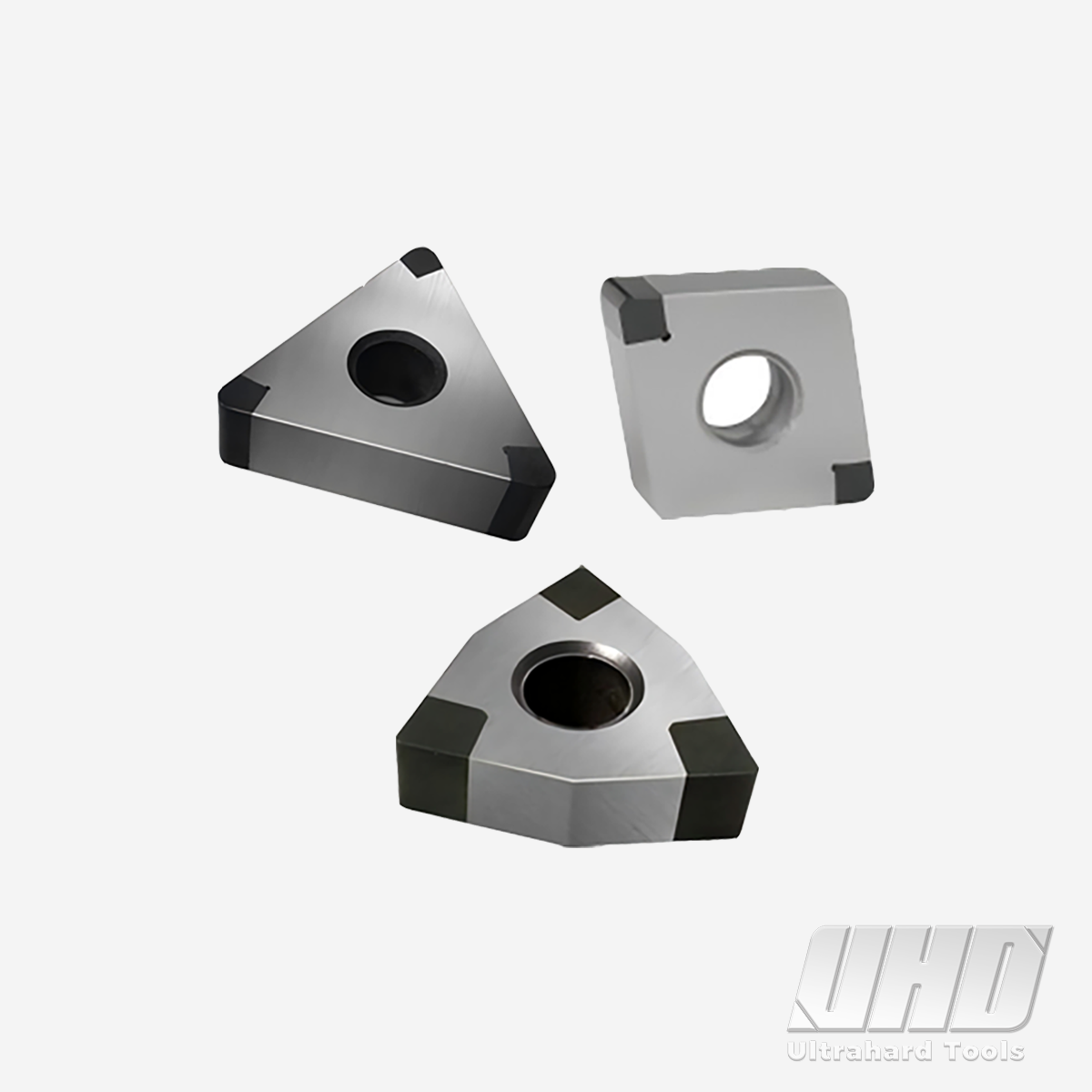
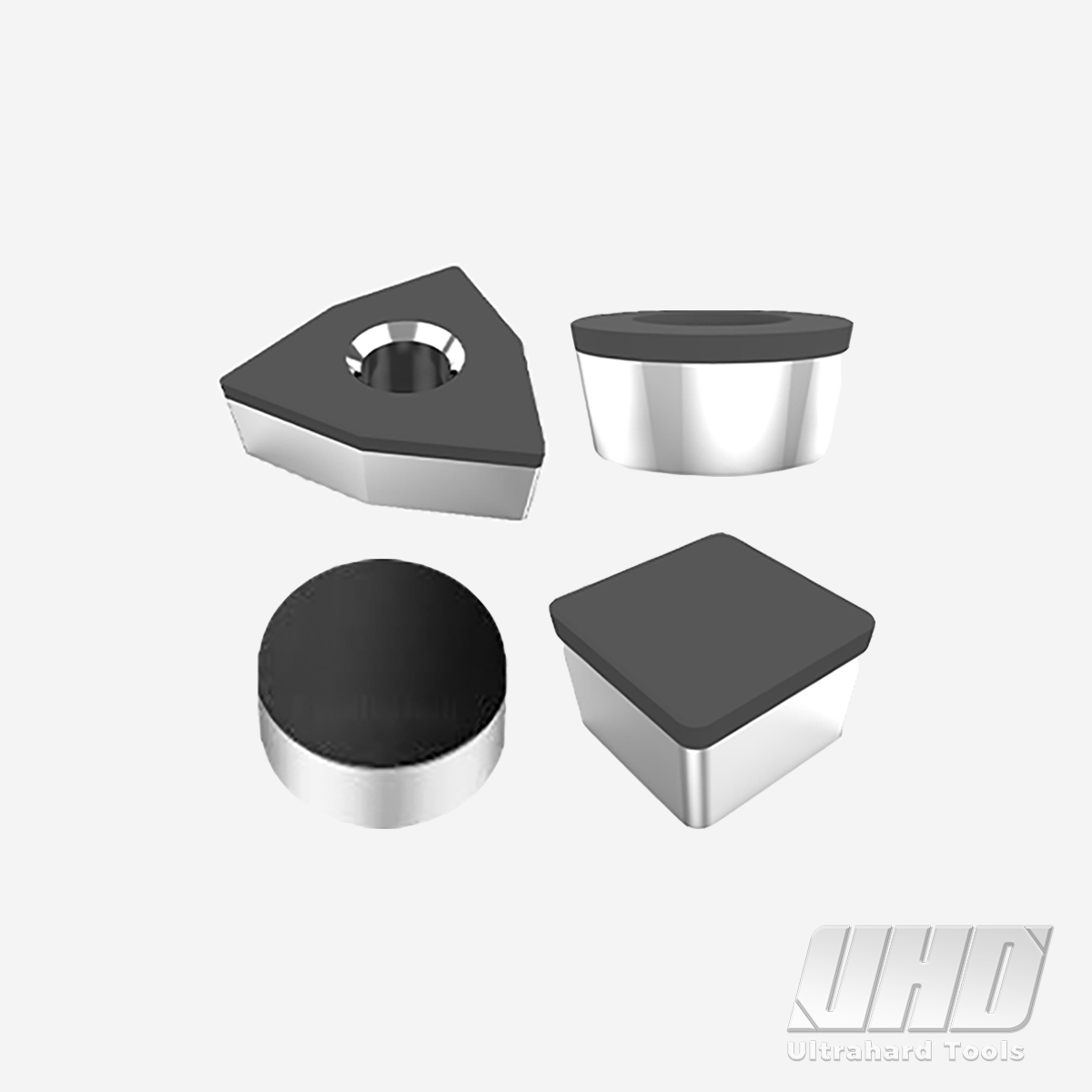
Configuration:Separate roughing and finishing inserts; use fully brazed CBN inserts as the priority choice for the roughing stage.
Batch hard turning finishing
Problem:Variation in insert life can lead to fluctuations in surface quality and dimensional drift.
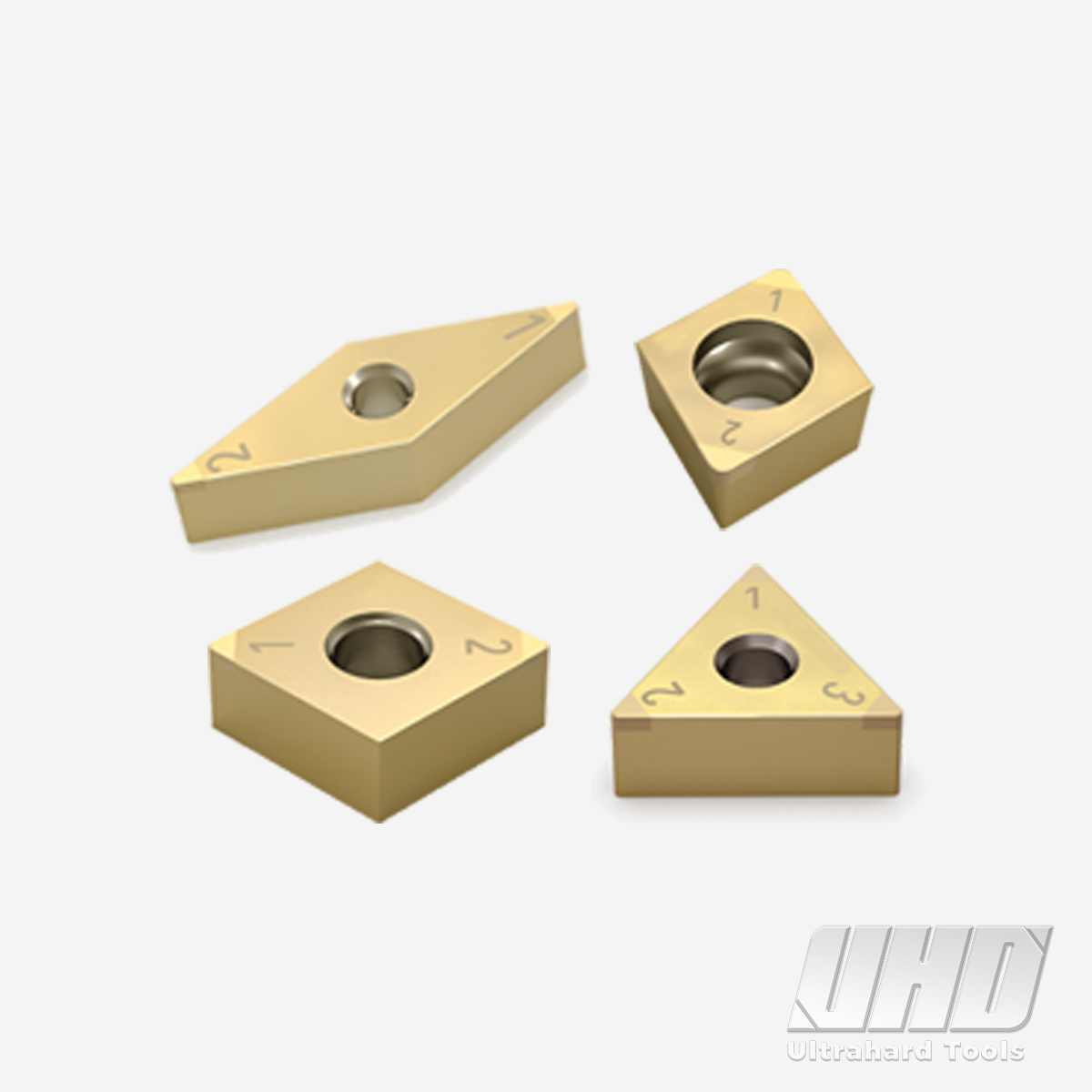
Configuration:Use coated CBN inserts as the standard finishing solution, focusing on wear consistency and thermal stability.
Final machining of cold rolls or precision straightening rolls
Problem:When roll surface quality requirements increase, conventional finish turning may struggle to maintain stable geometry and surface condition.
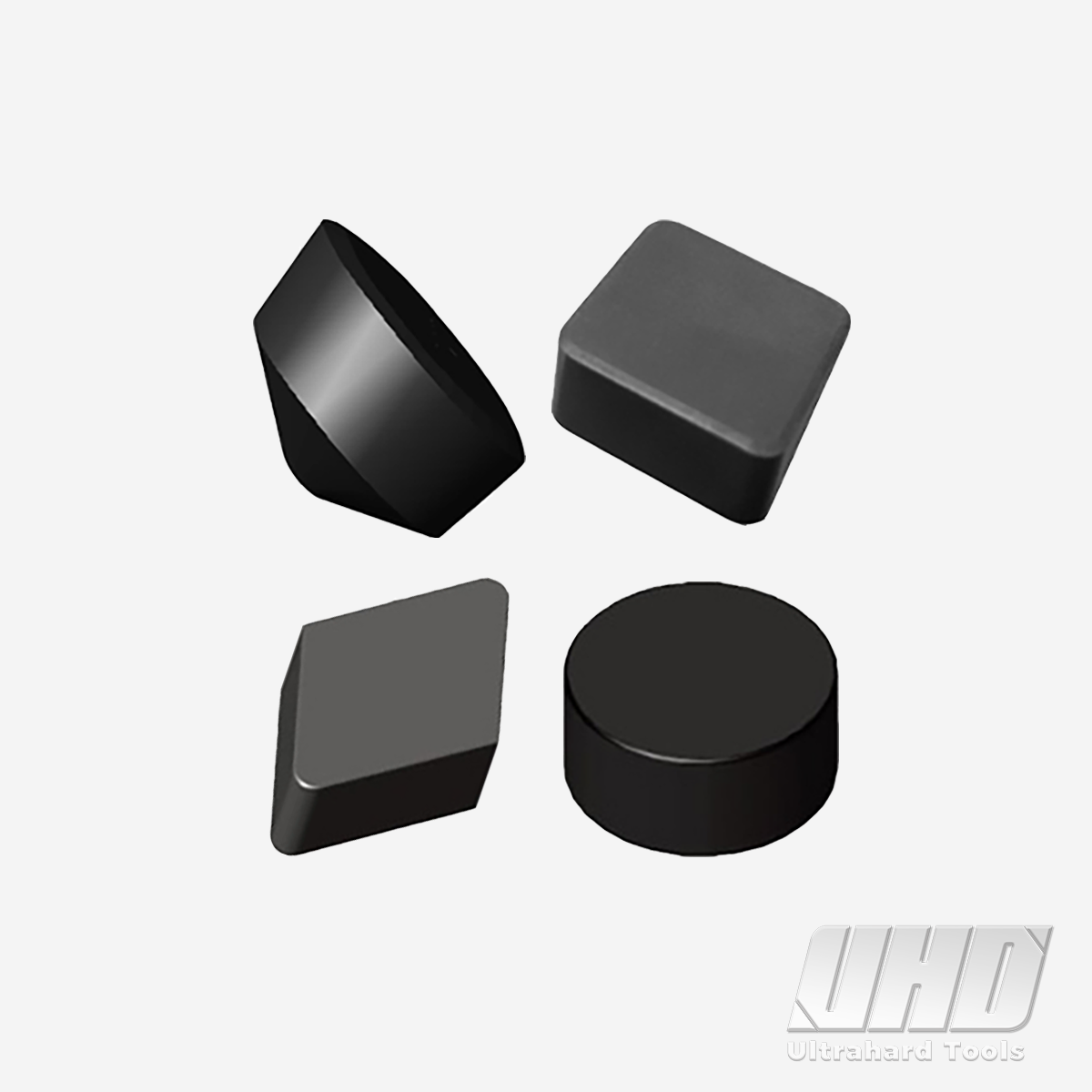
Configuration:Use the solid CBN insert series for final machining, focusing on stable edge performance and accuracy retention.
Long rolls and lubrication groove machining
Problem:Wear accelerates over long strokes, and groove machining may also cause profile deviation and chip evacuation issues.
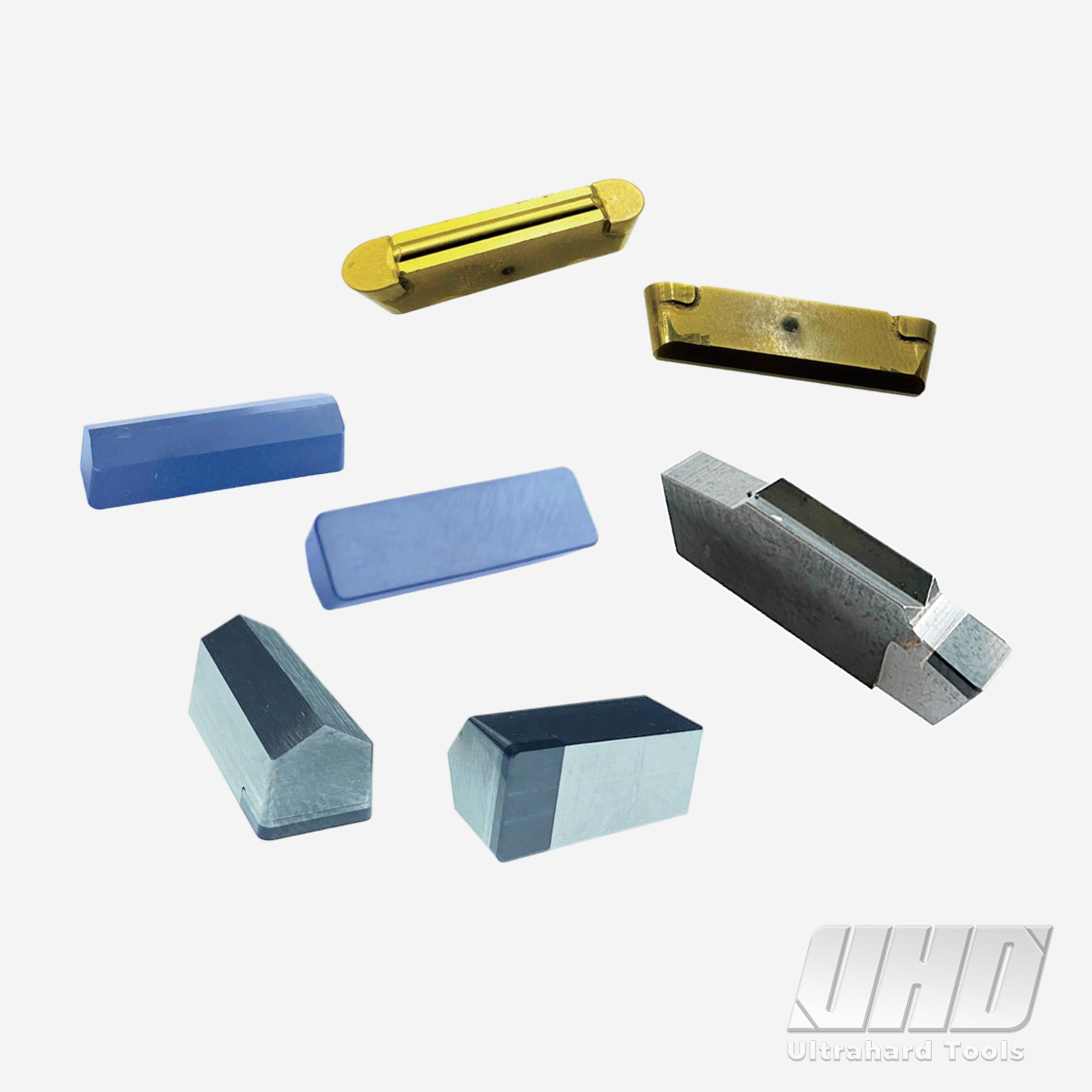
Configuration:Use full-face CBN for the OD and dedicated CBN grooving inserts for lubrication grooves, locating grooves, and similar features.
Solution value: from single-pass tool selection to repeatable process management
- Improved machining continuity:For rough machining stages, load-matched configurations help reduce the risk of process interruption caused by chipping.
- Stable roll surface quality:Separating finish turning and ultra-finishing helps control the consistency of cylindricity and surface finish.
- Lower overall machining loss:Life-oriented configurations for long-stroke OD machining reduce tool changes and the resulting cycle-time losses.
- Supports future expansion:Based on non-standard groove profiles, machine rigidity, and process fluctuations, the solution can be extended to custom tooling, parameter guidance, and regrinding/refurbishment services.
UHD offers CBN and diamond material R&D, digital manufacturing, and precision inspection capabilities, enabling a collaborative workflow around material selection, process matching, custom validation, and delivery follow-up.