Home > Solution > Stable, Consistent Hard Turning for High-Volume Hardened Crankshaft Production

Stable, Consistent Hard Turning for High-Volume Hardened Crankshaft Production

Achieve stable mass production of hardened 40Cr and ductile iron crankshafts with the process-specific CBN insert solution, designed to reduce edge chipping, control dimensional drift, improve surface quality, and stabilize cycle times.

Crankshaft Hard Turning Solution

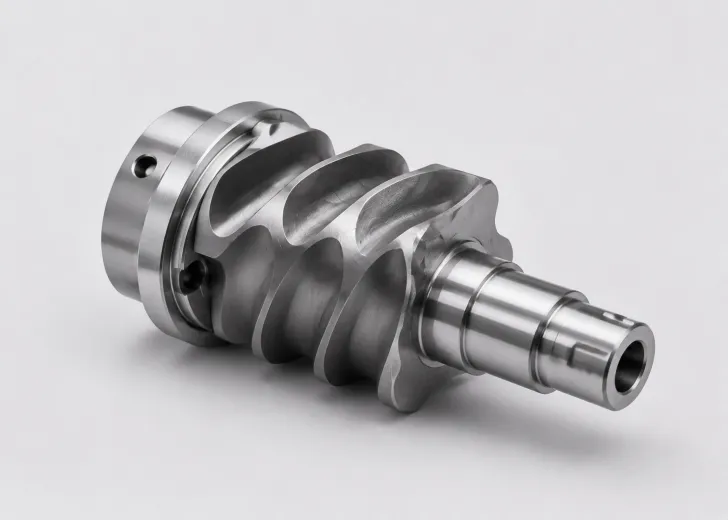
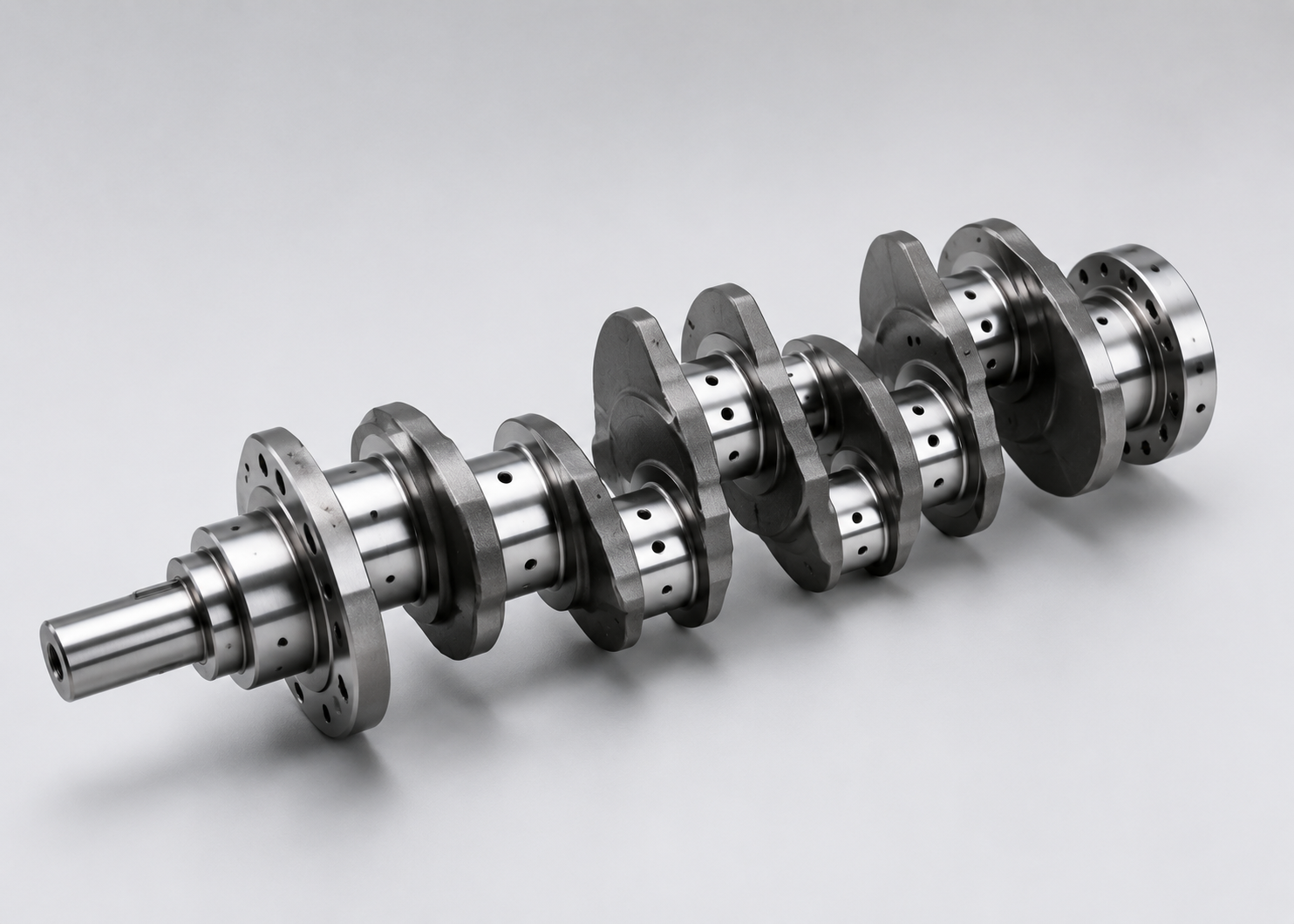
Hardened crankshaft workpiece for CBN hard turning

Workpiece and Machining Scope

This solution addresses the different impact, wear, thermal, and profile-control demands found across a hardened crankshaft. Insert selection is determined by operation and cutting continuity rather than by using one CBN grade throughout the process.

Typical componentCrankshaft
Workpiece materials40Cr and ductile iron
Post-hardening rangeHRC55–62
Machined featuresMain journals, crankpins, flange faces, oil grooves, and relief grooves
Why Hardened Crankshaft Production Becomes Unstable

Hard turning a crankshaft combines interrupted and continuous cuts on the same component. Oil holes, transition radii, variable stock, and long journal surfaces expose the cutting edge to different failure mechanisms.

Interrupted-cut chipping

Oil holes and transition areas generate cyclic impact loads that can initiate micro-chipping and lead to progressive edge failure.

Dimensional drift

Tool wear and accumulated heat can shift journal dimensions when the insert structure is not suited to high-speed finishing.

Unpredictable cycle time

Premature chipping or accelerated wear increases tool changes and disrupts automated production schedules.

Inconsistent groove geometry

General-purpose inserts may lack the edge form and rigidity required to control groove width, bottom geometry, and surface quality.

Core Selection Logic: Process Layering and Condition Matching

The objective is not to select the hardest available insert. A stable crankshaft hard-turning process assigns the appropriate CBN structure to each operation, feature, and cutting mode.

Layer by operation

Roughing removes stock, semi-finishing stabilizes geometry, finishing controls dimensions, and final finishing controls critical surface requirements.

Match cutting continuity

Interrupted cuts prioritize impact resistance and edge security; continuous cuts prioritize wear resistance and thermal stability.

Assign by feature

Journals, flange faces, radii, oil grooves, and relief grooves require different edge structures and load-bearing characteristics.

Impact-Resistant Roughing
Stable Semi-Finishing
Production Finishing
Precision Final Finishing
Dedicated Grooving

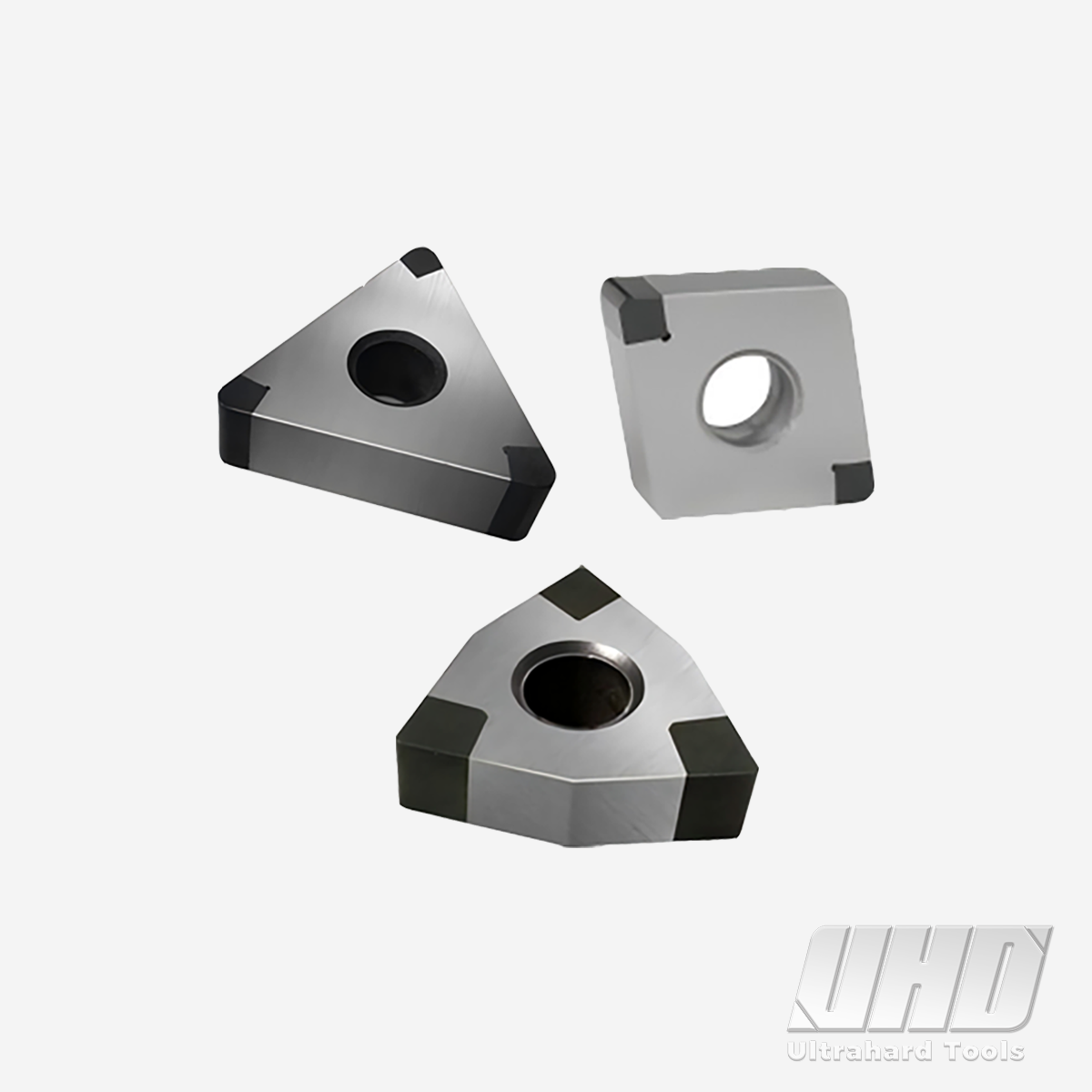
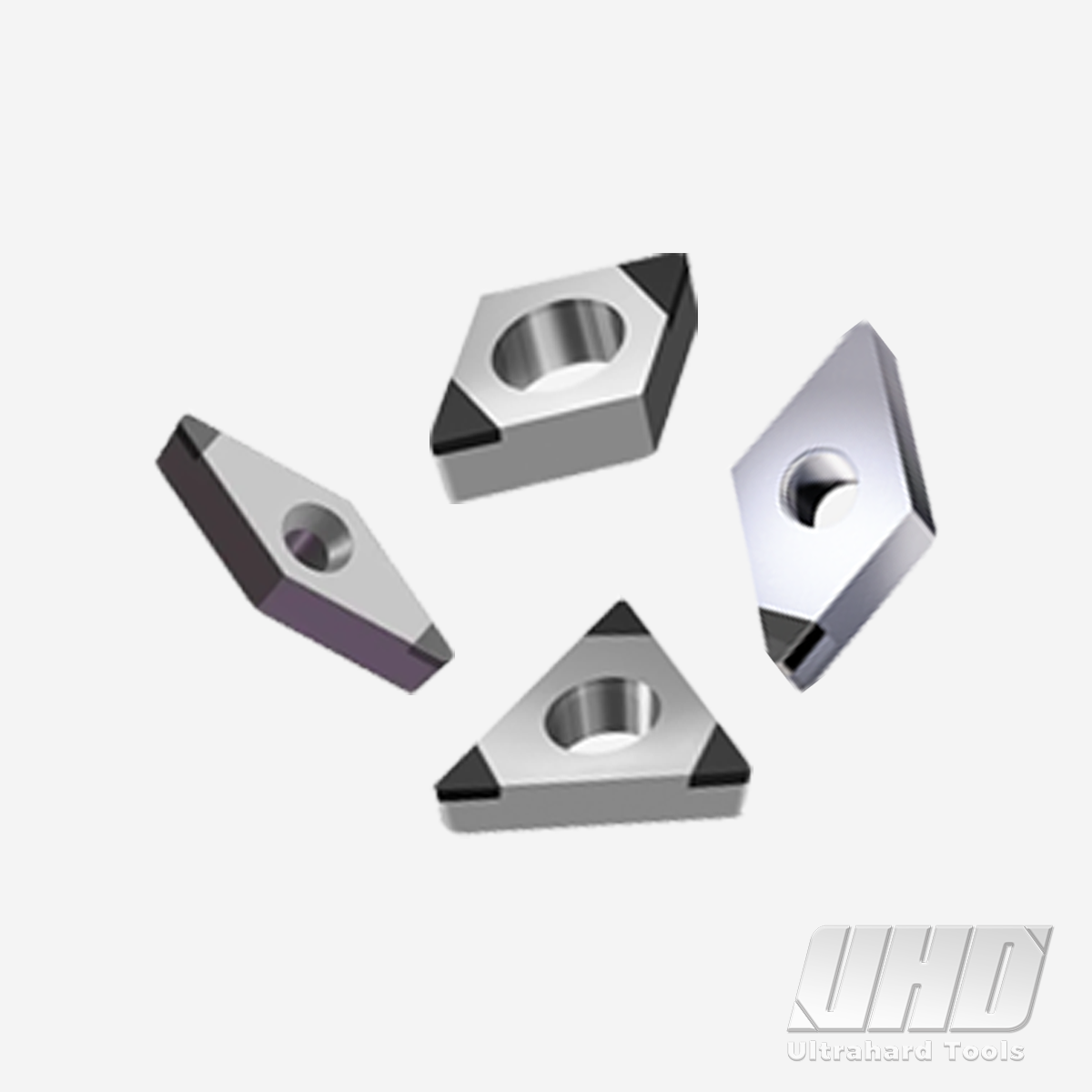
Recommended CBN Insert Modules

Hover over an insert series to review its role and display the corresponding product image. On touch devices, focus on an item to expand its details.

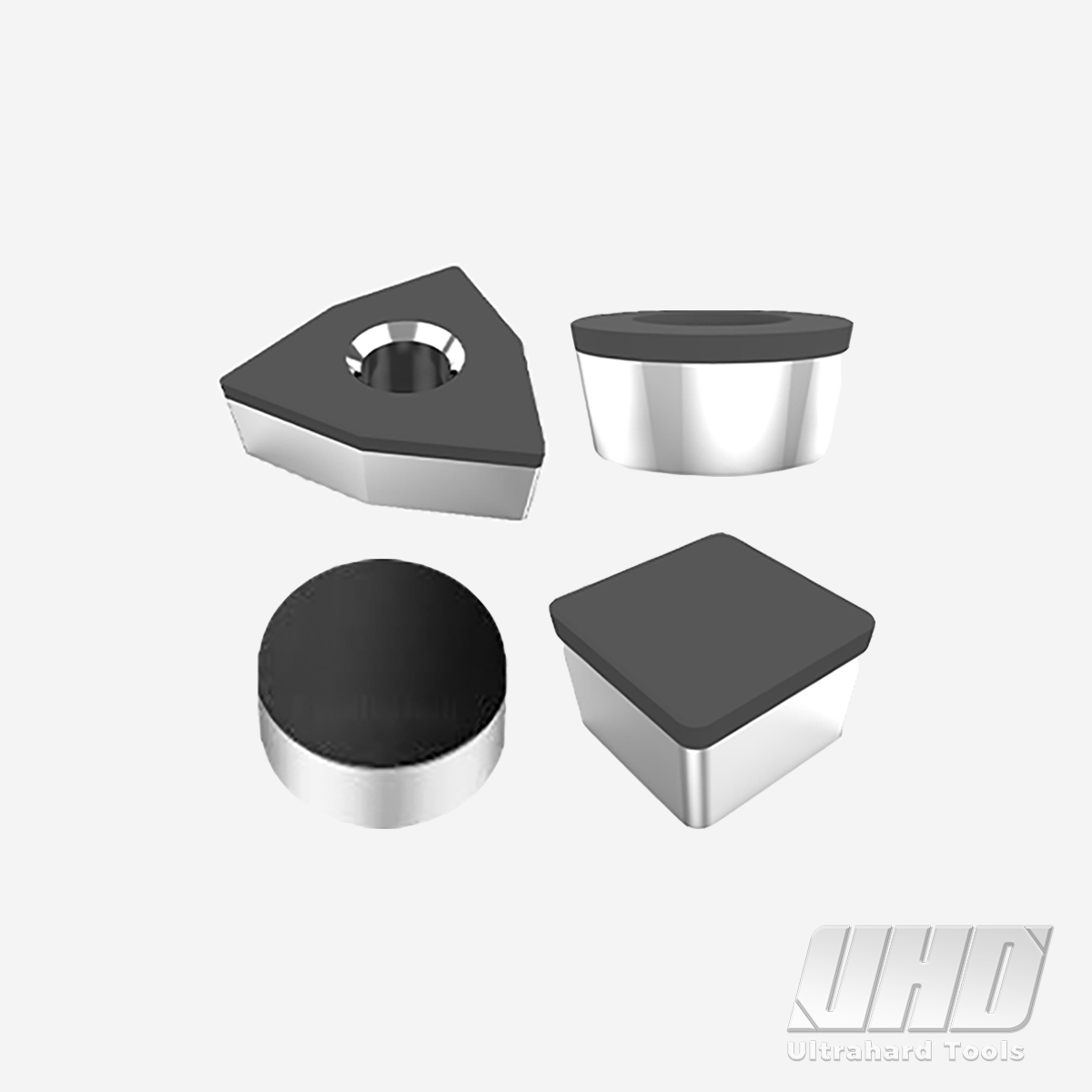
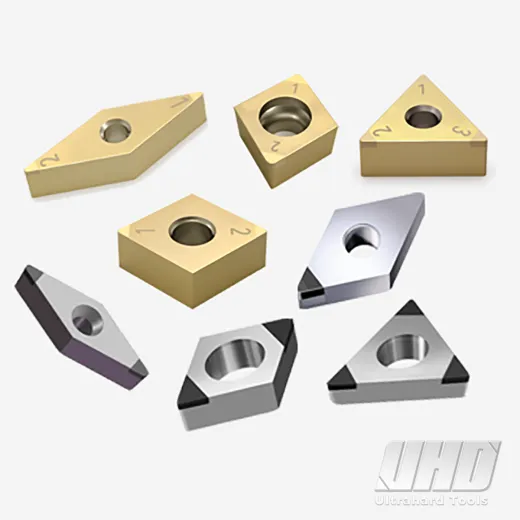
Integral Brazed CBN Insert Series

Primary role: Rough turning with large stock removal and interrupted impact.

Typical features: Main journals, crankpins, oil-hole areas, and rough turning of transition radii.

Process purpose: Increase edge load capacity, reduce chipping risk, and leave more uniform stock for semi-finishing.

Composite Brazed CBN Insert Series

Primary role: Cost-controlled semi-finishing, particularly in mainly continuous and dry cutting conditions.

Typical features: Journal surfaces and flange faces after roughing.

Process purpose: Stabilize geometry and stock distribution before the final production-finishing pass.

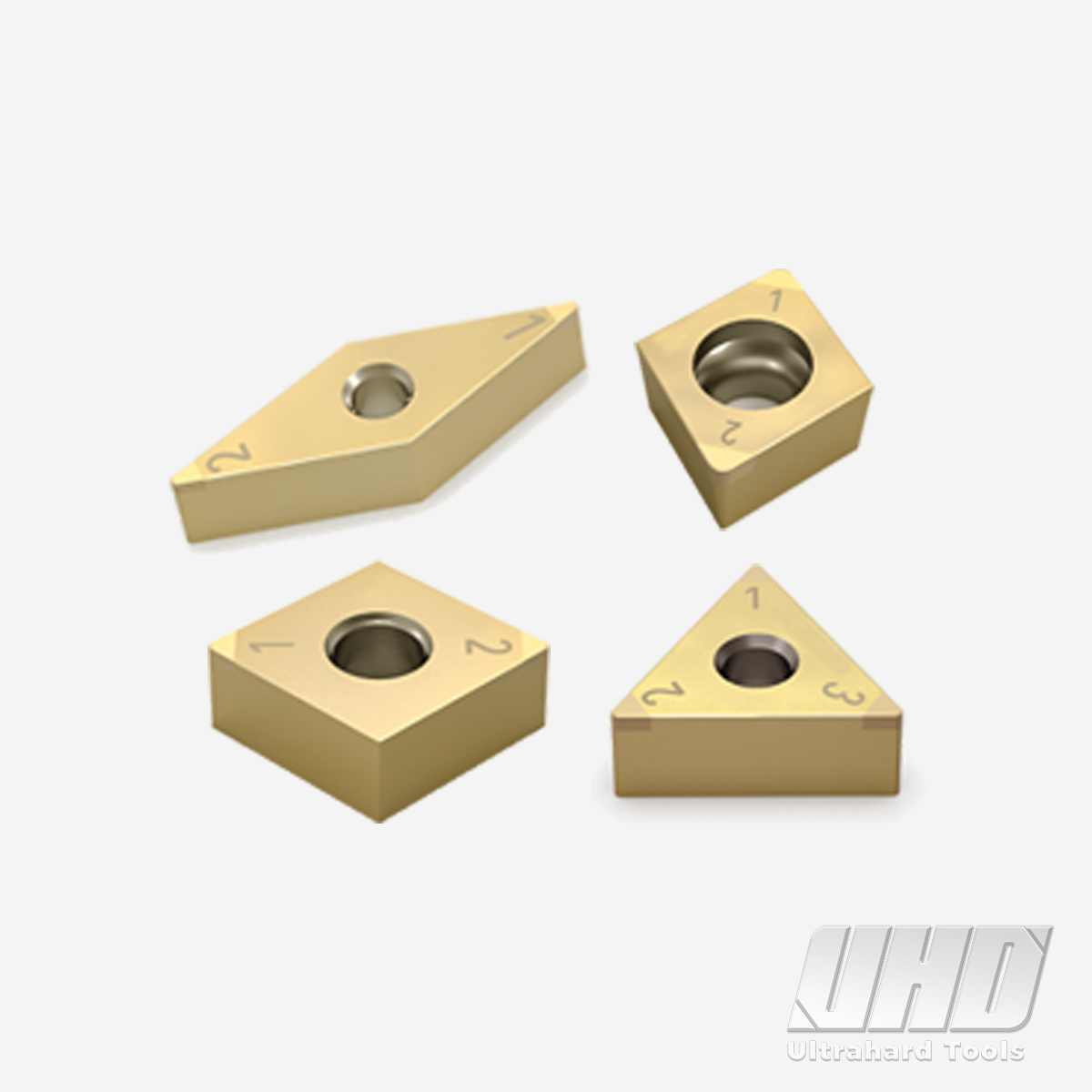
Coated CBN Insert

Primary role: High-speed production finishing with enhanced wear and thermal resistance.

Typical features: Main journals, oil-seal surfaces, and automated mass-production stations.

Process purpose: Make tool life more predictable and limit dimensional drift across production batches.

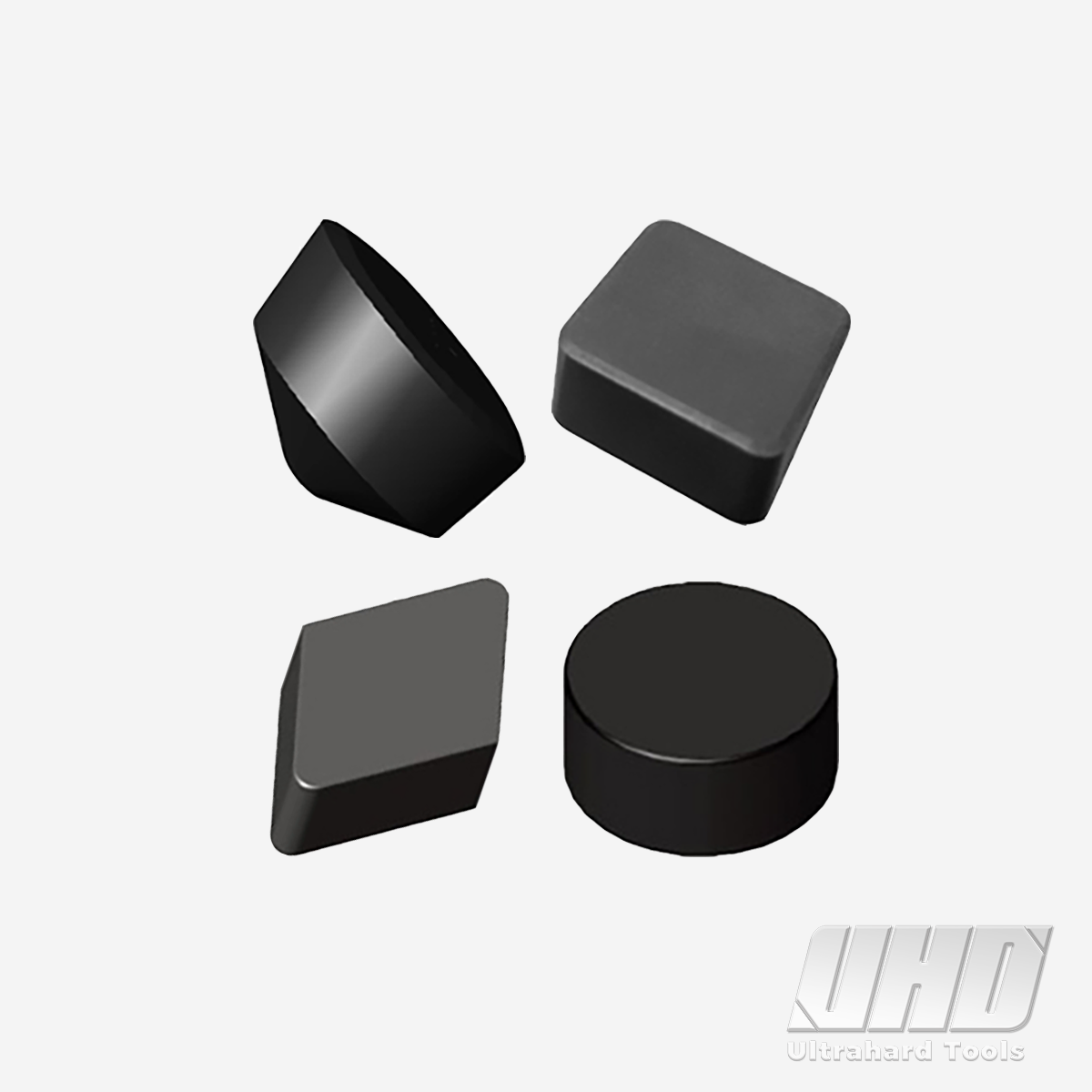
Solid CBN Insert Series

Primary role: Ultra-precision final turning where dimensional and surface requirements are particularly demanding.

Typical features: High-specification crankshaft journals and critical final-finishing stations.

Process purpose: Support stable control of tight dimensions and high-quality finished surfaces.

Full Face CBN Insert Series

Primary role: Long-distance continuous external turning.

Typical features: Long main-journal surfaces with concentrated edge wear.

Process purpose: Provide a longer effective cutting edge, reduce tool-change frequency, and stabilize cycle time.

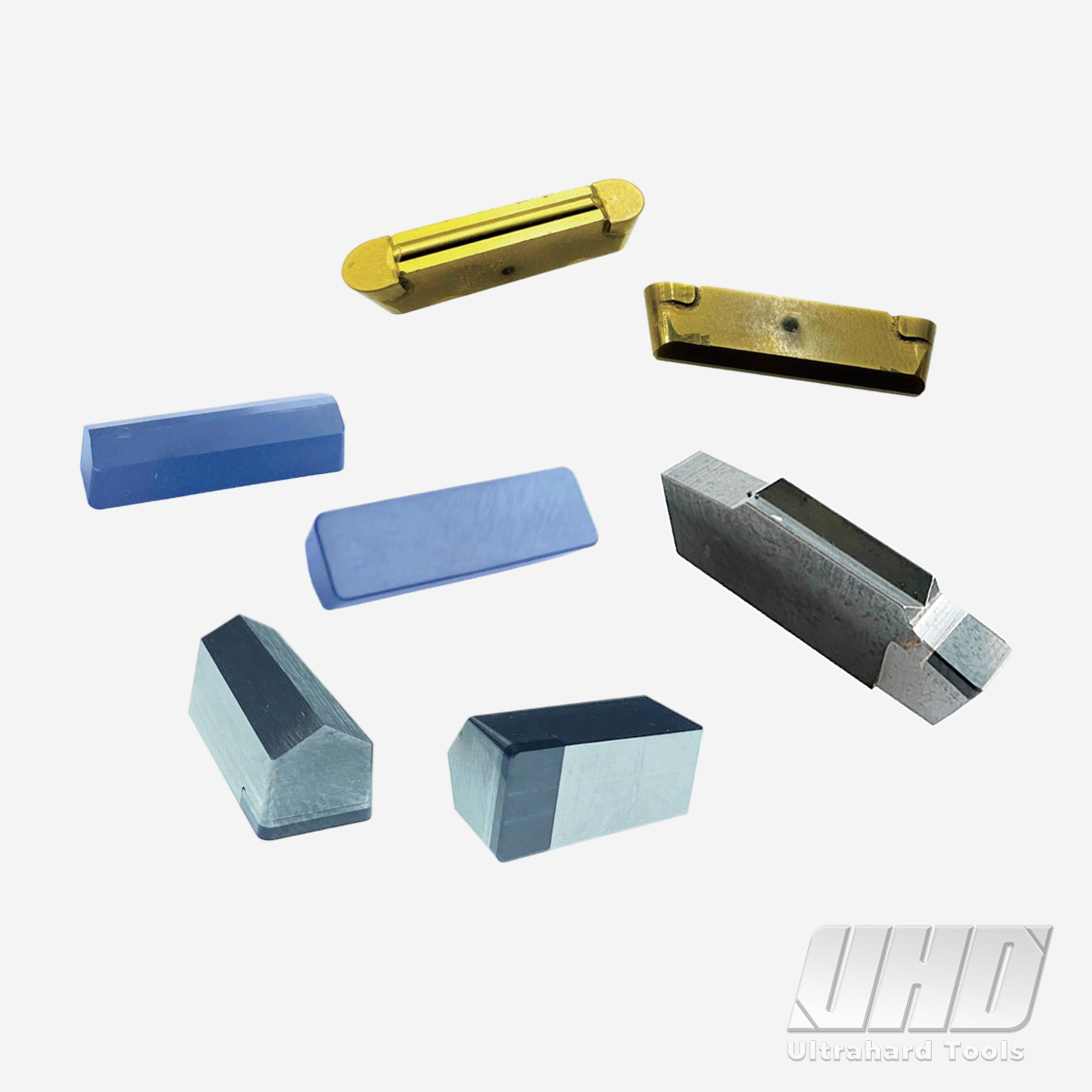
CBN Grooving Insert Series

Primary role: Dedicated forming of oil grooves and relief grooves.

Typical features: Journal relief grooves and functional oil-groove profiles.

Process purpose: Improve groove-form consistency, bottom-dimension control, rigidity, and resistance to vibration-related edge damage.

Integral Brazed CBN Insert Series Composite Brazed CBN Insert Series Coated CBN Insert Solid CBN Insert Series Full Face CBN Insert Series CBN Grooving Insert Series

Typical Production Applications

  • Automotive and construction-machinery crankshaft production: combine impact-resistant roughing, wear-resistant production finishing, and full-face CBN for long journals to reduce disruptions from chipping and frequent tool changes.
  • High-specification crankshaft finishing: introduce the Solid CBN Insert Series at the final operation when journal surface quality and dimensional control require a dedicated precision stage.
  • Oil-groove and relief-groove forming: use dedicated CBN grooving inserts instead of general turning inserts to control groove geometry, rigidity, and process repeatability.

Expected Manufacturing Value

By assigning the appropriate insert structure to each cutting condition, the crankshaft hard-turning solution is designed to improve process control without relying on a single insert for conflicting requirements.

Process stability

Lower exposure to interrupted-cut edge failure and more controlled machining of critical crankshaft features.

Batch consistency

More predictable finishing wear behavior helps reduce dimensional drift during mass production.

Cycle-time control

Stable roughing and fewer changes on long continuous cuts help reduce avoidable production interruptions.

Total tooling efficiency

Process-specific selection can reduce premature tool failure, rework, abnormal scrap, and associated machine downtime.

Recommended Products

Get Technical Solution

Tell us your workpiece, quantity, and tooling requirement. Our team will reply with a practical solution.

Your Name *
Email Address *
Contact Information *
Country
Company name
Tell Us Your Requirements