

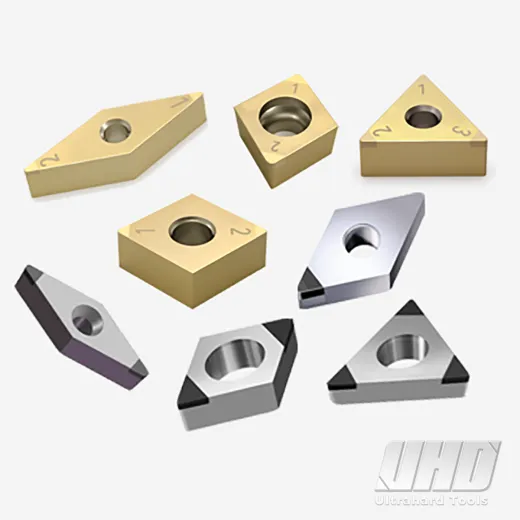


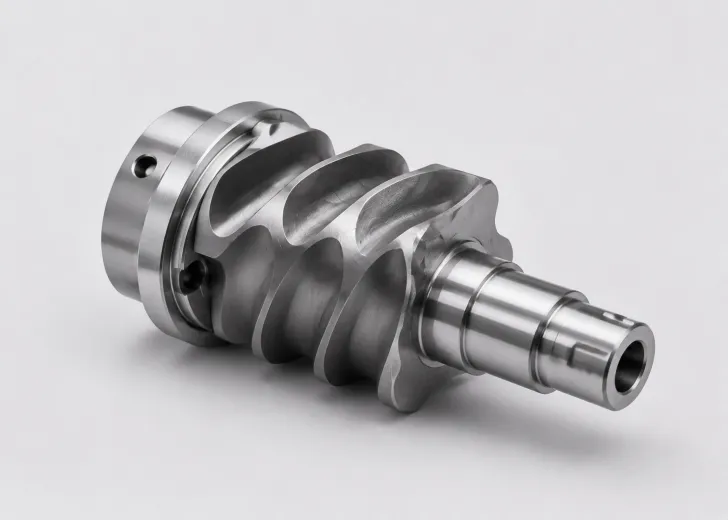
Henan UHD Ultrahard Tools Co., Ltd provides CBN insert solutions for high-chromium cast iron and HRC55–60 hardened steel rolling rotors and eccentric rotors, using a configuration of “rough machining for impact resistance, finish machining for consistency, and grooving for stable groove profile” to support both high-volume production and non-standard applications.
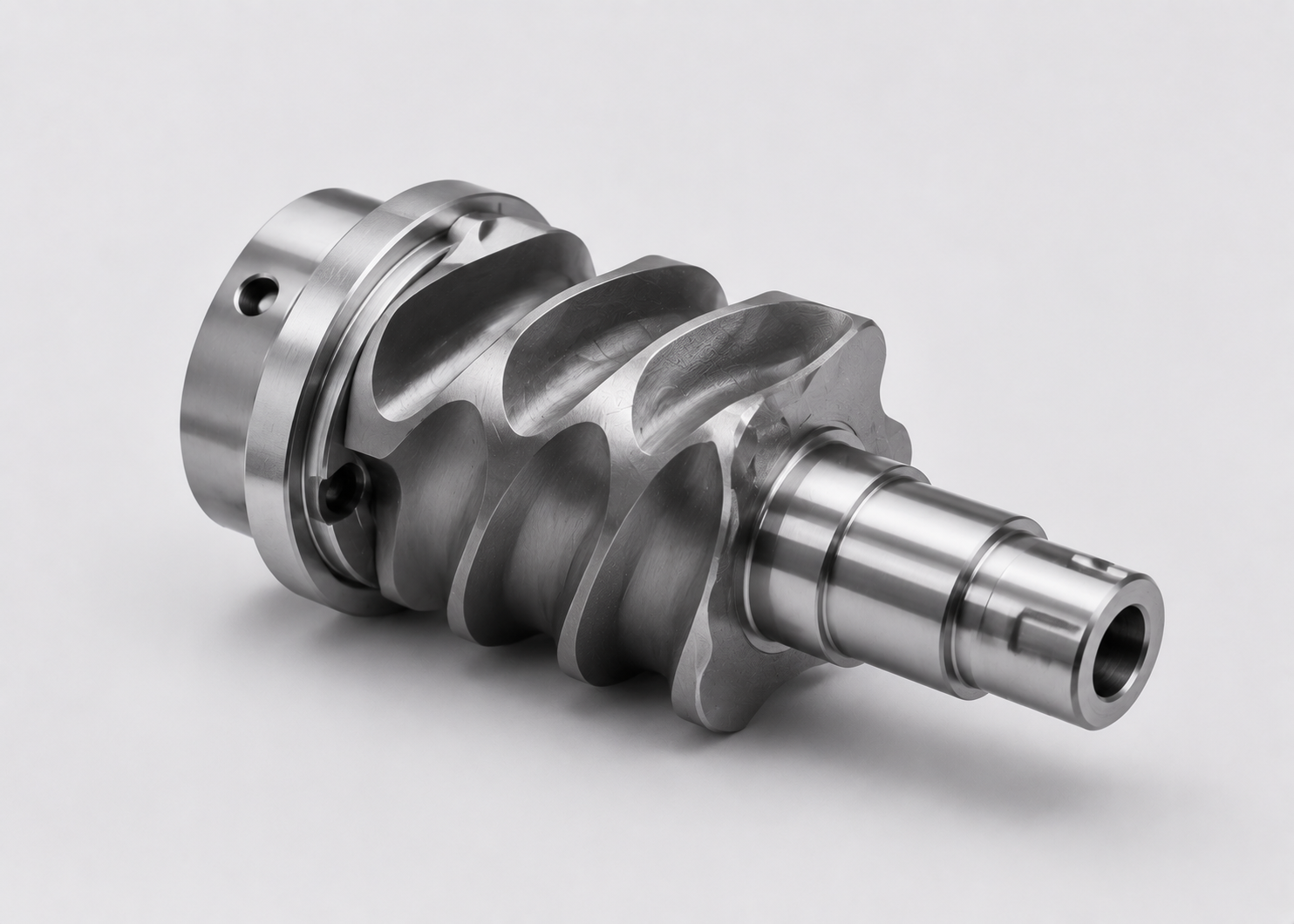
Typical Workpieces and Machining Range
Typical parts:Rotor-type compressor rolling rotors and eccentric rotors.
Machining material:High-chromium cast iron, hardened alloy steel (HRC55–60).
Key areas:Outer diameter, eccentric surfaces, end faces, annular locating grooves, and retaining ring grooves.
Machining Challenges: Stability and Consistency Are the Main Issues
Solution Logic: Optimize by Process Separation Instead of Compromising with One Tool
Recommended CBN Insert Modules
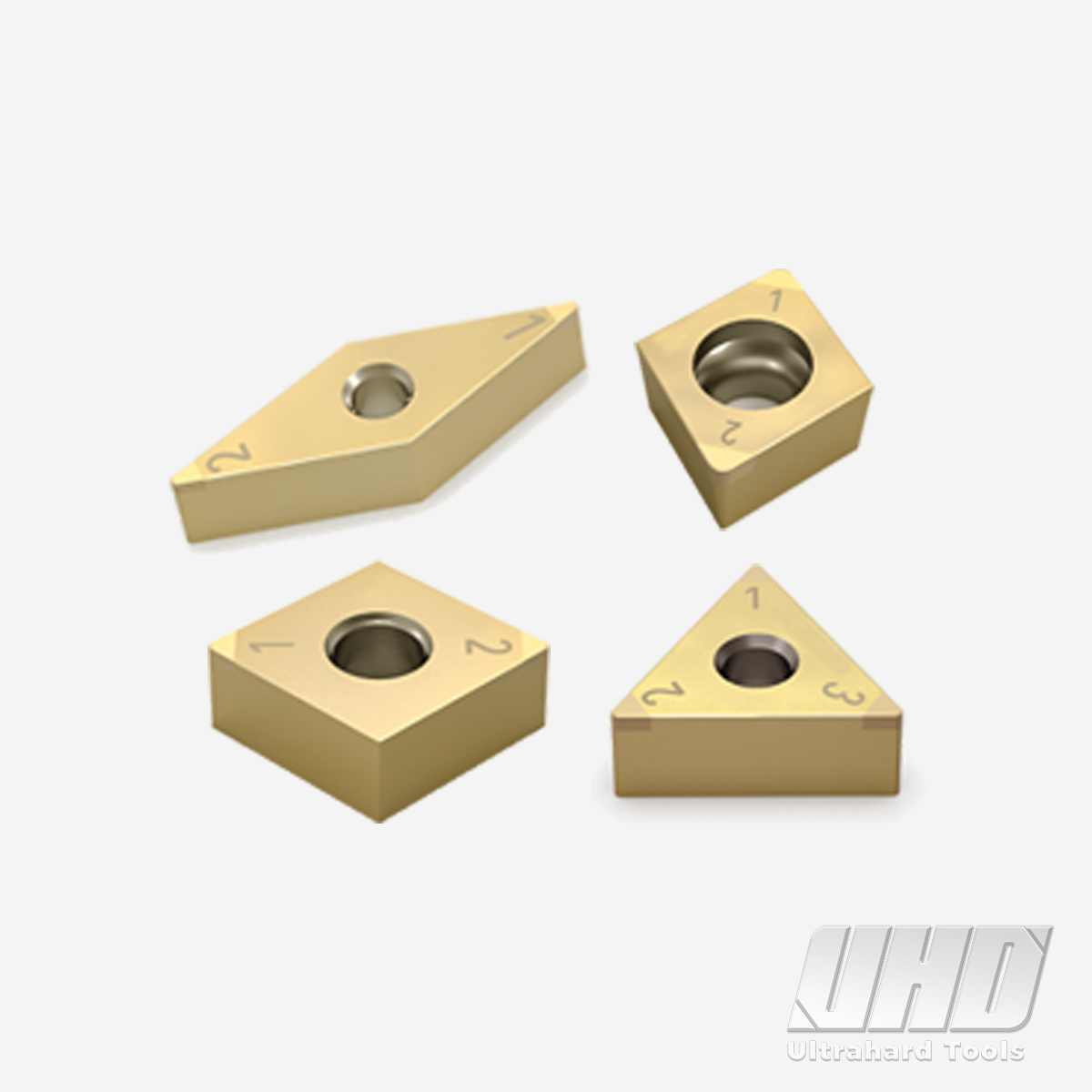
Integral Brazed CBN Insert Series
Applicable processes:Rough turning of outer diameters and eccentric surfaces. The solid-brazed structure focuses on edge strength and impact resistance, helping reduce chipping risk from interrupted contact and supporting stable material removal.
Coated CBN Insert
Applicable processes:Finish turning of critical outer-diameter mating surfaces. Coated CBN emphasizes wear resistance and thermal stability, helping reduce dimensional drift caused by wear and improve surface finish and dimensional consistency.
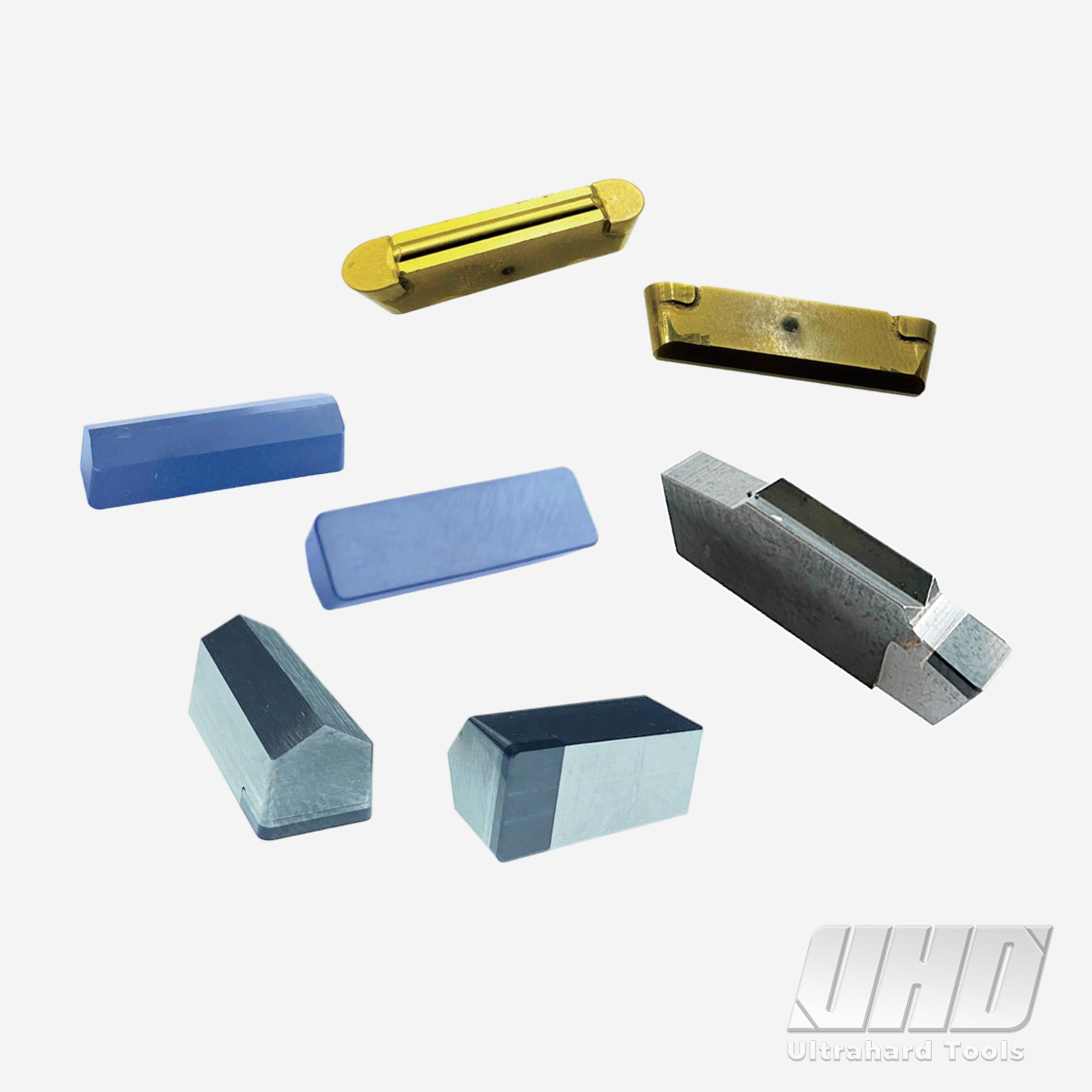
CBN Grooving Insert Series
Applicable processes:End-face annular locating grooves and retaining ring grooves. Dedicated geometries can be matched to groove width, depth, chamfer, corner radius, and chip flow direction to improve groove profile stability.
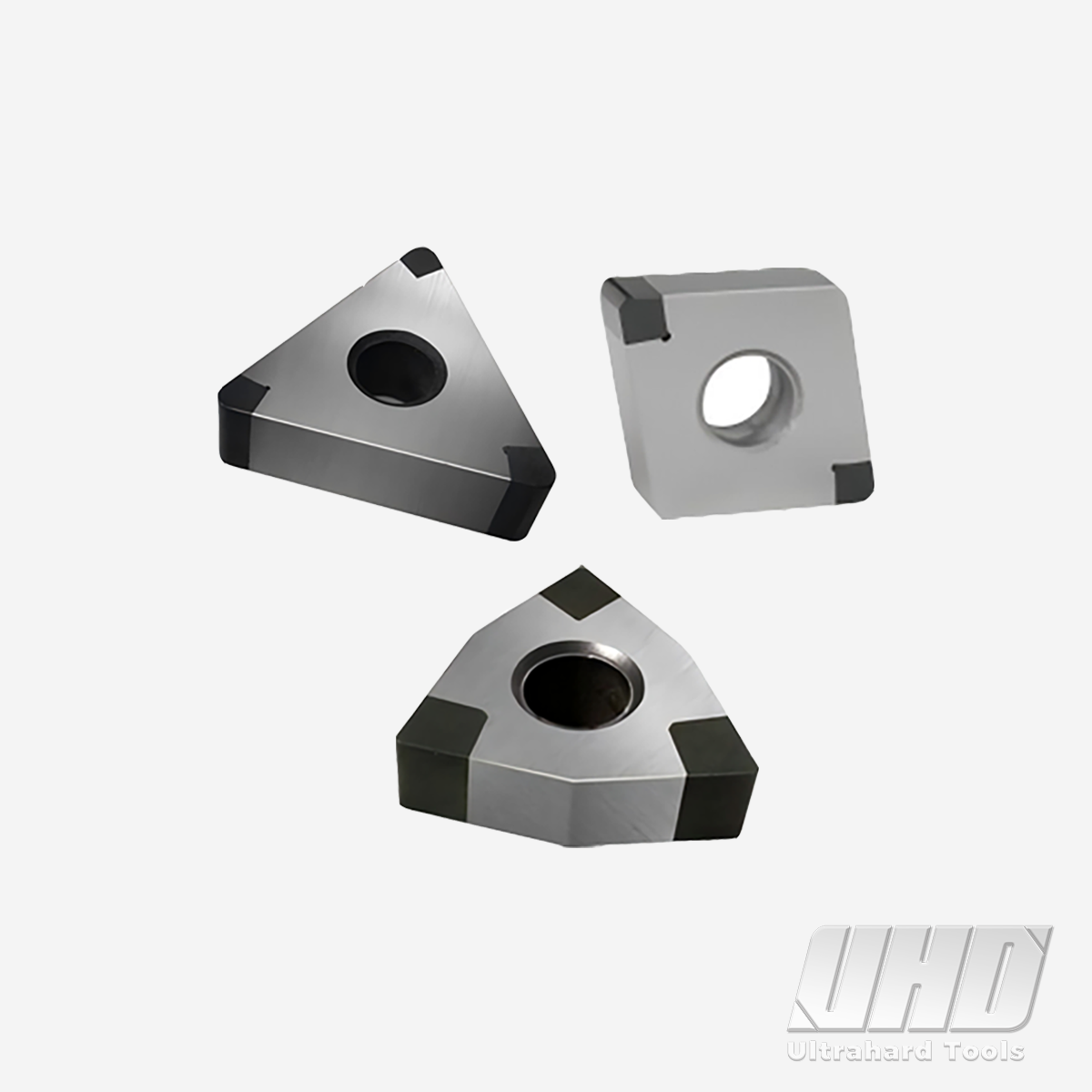
Process introduction and application support
Based on machine tool rigidity, clamping method, cooling conditions, machining allowance, and the degree of interruption, Henan UHD Ultrahard Tools Co., Ltd can provide recommendations on insert grade, coating, tip geometry, chip breaking, and chip evacuation direction, and assist in planning the process sequence for rough machining, semi-finishing, finishing, and grooving. For special groove profiles or equipment conditions, non-standard customization is available, along with regrinding/refurbishment strategies to establish a full lifecycle usage path.
Practical value for batch machining
- Reduce abnormal fluctuations:By using an impact-resistant roughing configuration, downtime, rework, and batch variation caused by edge chipping are reduced.
- Stabilize critical fits:The finishing module supports continuous control of OD dimensions and surface quality, making it easier to manage fit clearance.
- Improve groove reliability:The dedicated grooving structure is designed for cutting-force and chip-evacuation conditions, suitable for locating grooves, retaining ring grooves, and other critical features.
- Optimize overall usage cost:Through process matching, non-standard adaptation, and optional refurbishment services, tool consumption and the cost of machining abnormalities are reduced.
This solution is suitable for precision cutting of high-hardness materials in automotive, wind power, construction machinery, bearings and gears, metallurgical rolls, aerospace, and mining machinery applications. Final tool selection and machining parameters should be confirmed based on part drawings, machine conditions, and material condition.