
Product Details
PCD Reamers & Deep-Hole Composite Tools
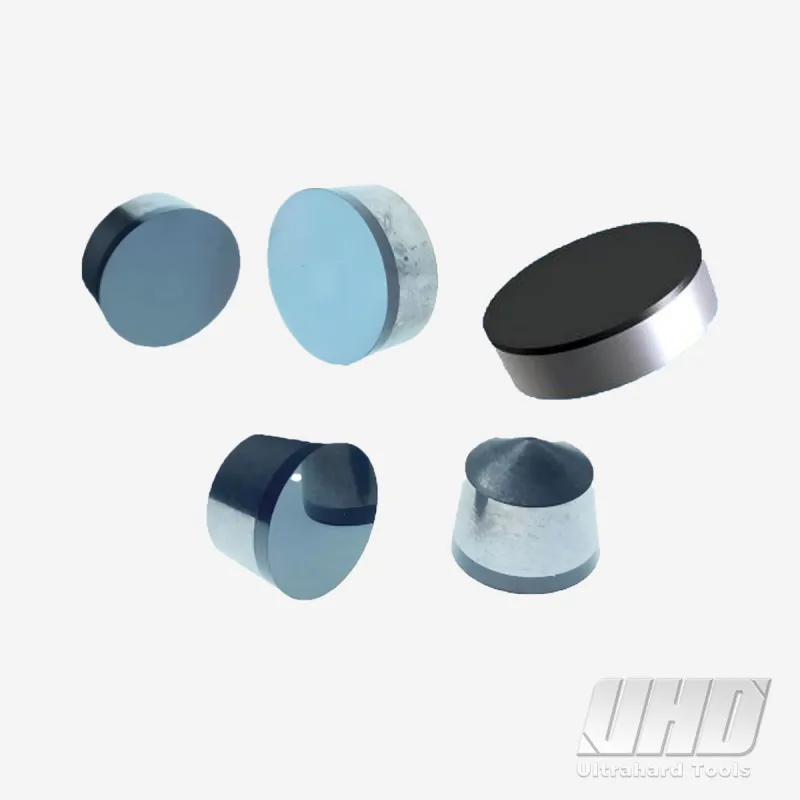
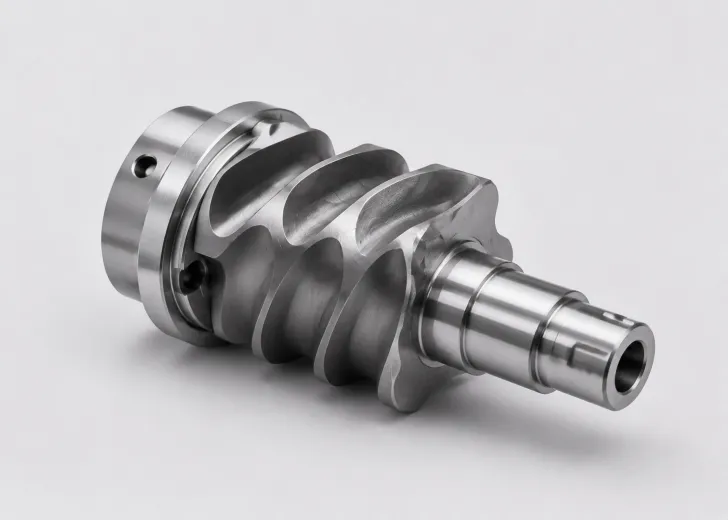
UHD PCD reamers and deep-hole composite tools are designed for precision hole machining in aluminum profiles, pistons, and similar non-ferrous components. The range includes standard reamers, deep-hole drilling and reaming tools, and piston composite tools for through holes, blind holes, deep holes, and complex hole features. Mirror-polished PCD cutting edges, internal coolant structures, guiding features, and integrated machining operations help manufacturers improve surface consistency, chip evacuation, dimensional control, and production rhythm in high-speed machining.
Tool Features for Stable Aluminum Hole Machining
Mirror-Polished PCD Reaming Edges
Polished cutting edges support high-quality bore finishing, with workpiece surface roughness reaching Ra0.2 under suitable machining conditions.
High-Speed Cutting Capability
Designed for cutting speeds of 200–1000 m/min, helping support efficient machining where equipment, material, and process conditions are properly matched.
Internal Coolant and Guided Deep-Hole Design
Dedicated coolant outlets and guiding structures are configured to improve cooling, chip evacuation, and dimensional stability in deep-hole operations.
Multi-Operation Composite Cutting
Piston composite tools can combine boring, grooving, chamfering, and related operations to reduce intermediate tool changes; PCD edges can be reground or replaced where applicable.
Where These PCD Tools Are Used
Through & Blind Holes
Precision reaming of aluminum profile holes requiring controlled bore finish and size consistency.
Deep-Hole Drilling & Reaming
Combined drilling and reaming operations where coolant delivery and aluminum chip control are important.
Piston Composite Holes
Boring, grooving, chamfering, and other integrated operations for piston and complex-hole production.
Custom Tool Design and Application Support
For special hole geometries, deep-hole conditions, or multi-operation requirements, UHD provides non-standard PCD tool design support based on workpiece material, hole structure, machining allowance, spindle capability, coolant conditions, and production cycle. Tool configuration can be adapted through PCD edge arrangement, guide design, internal coolant layout, and composite operation planning to improve compatibility with the actual machining process.