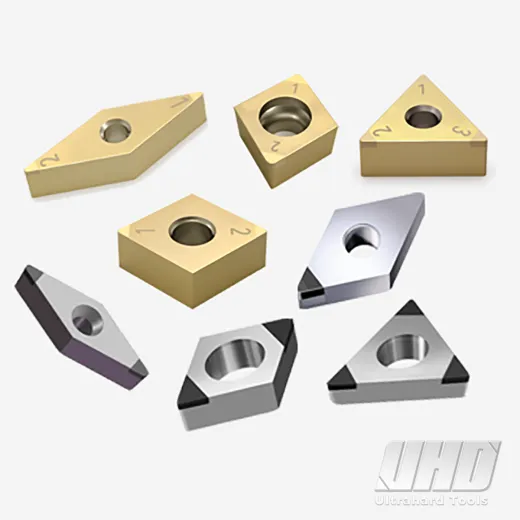
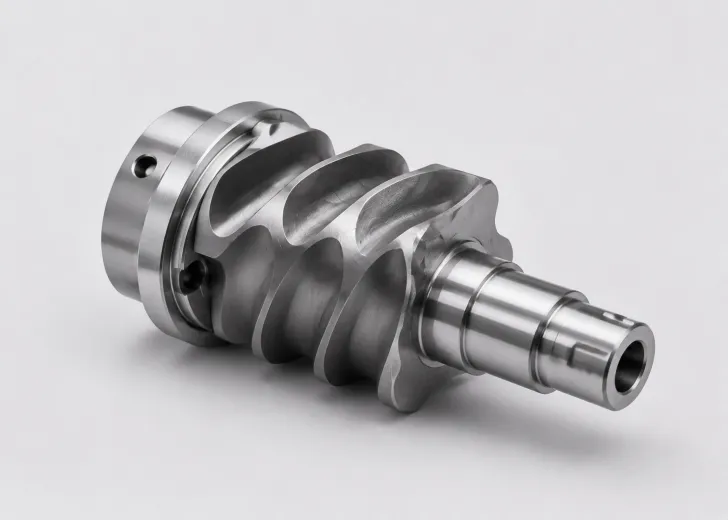
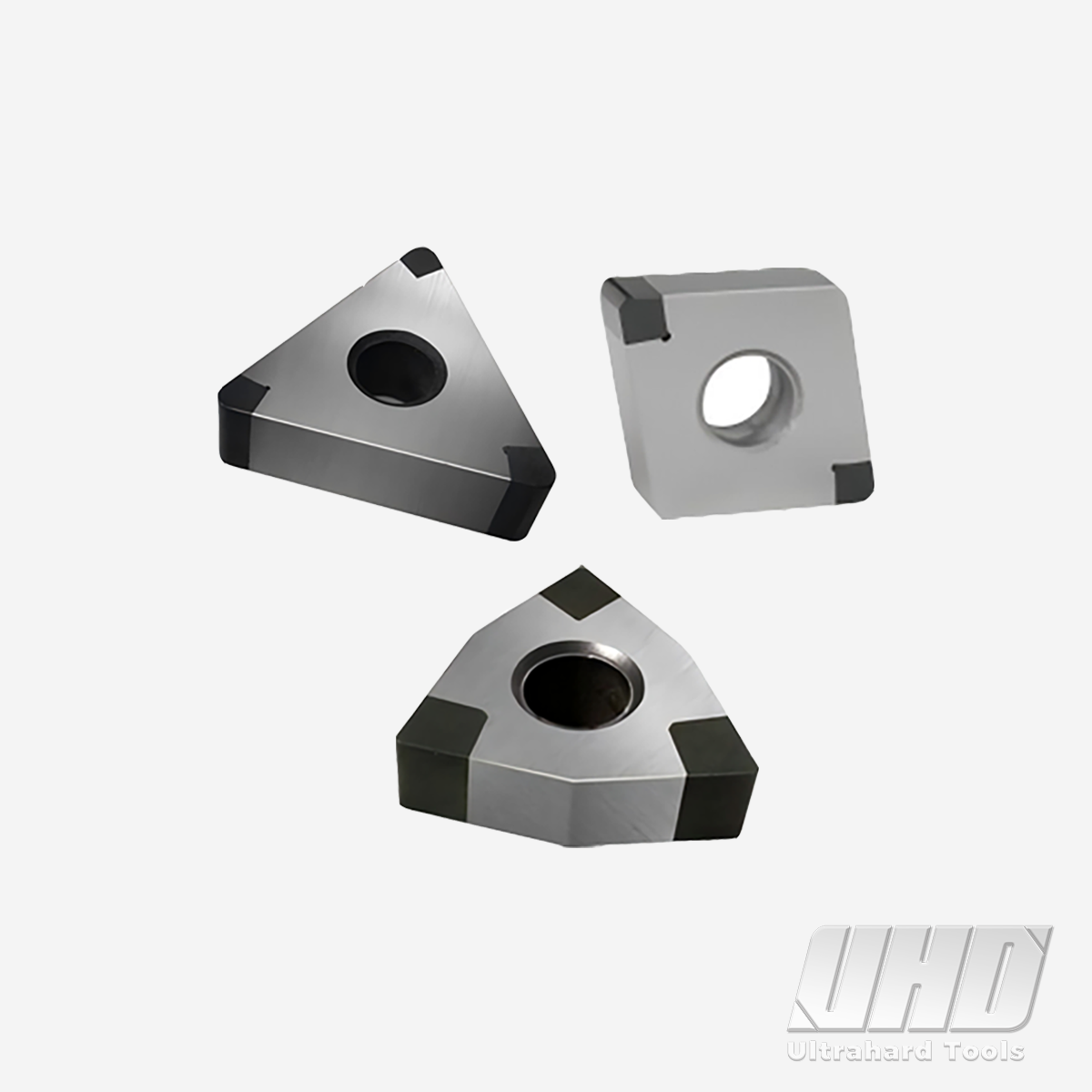
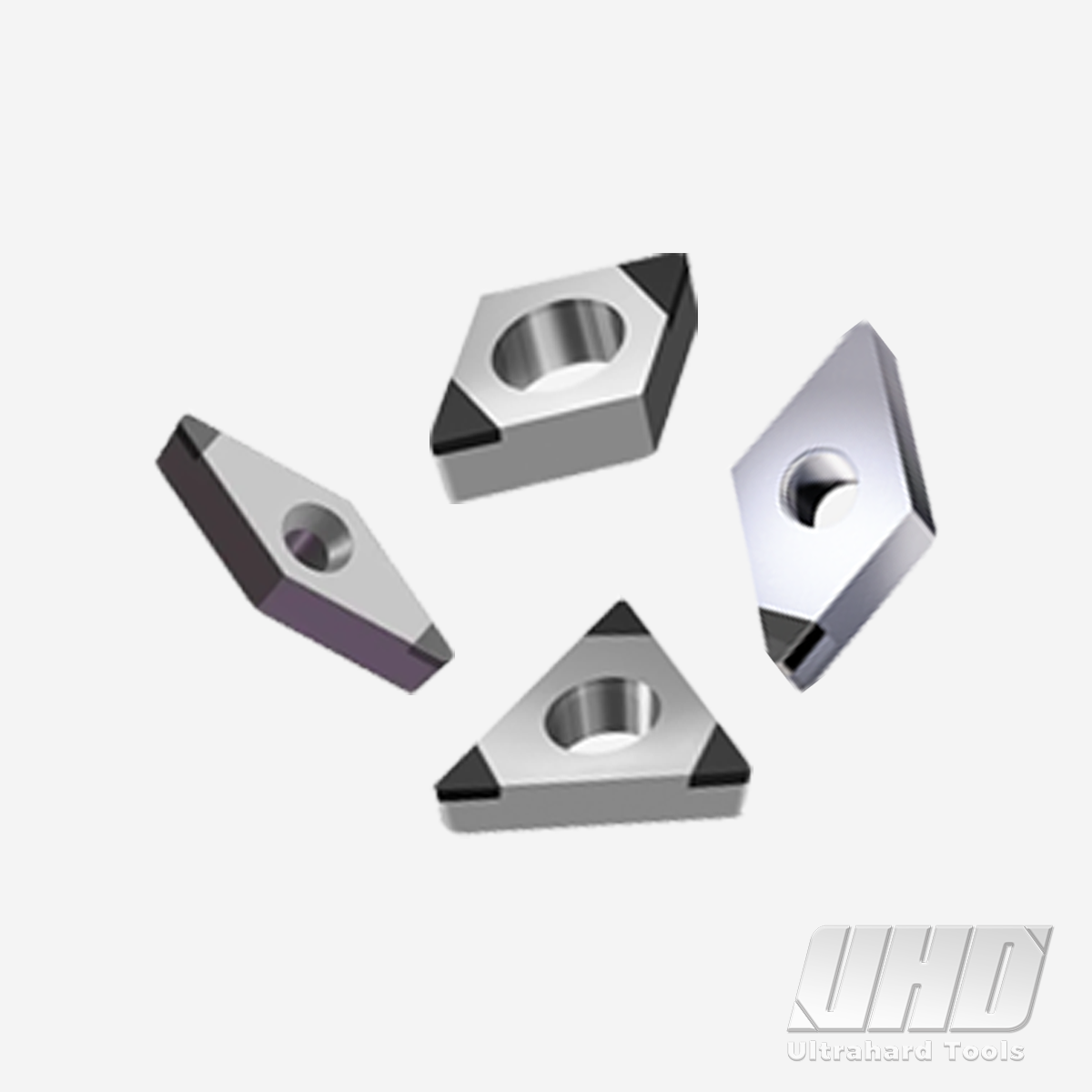
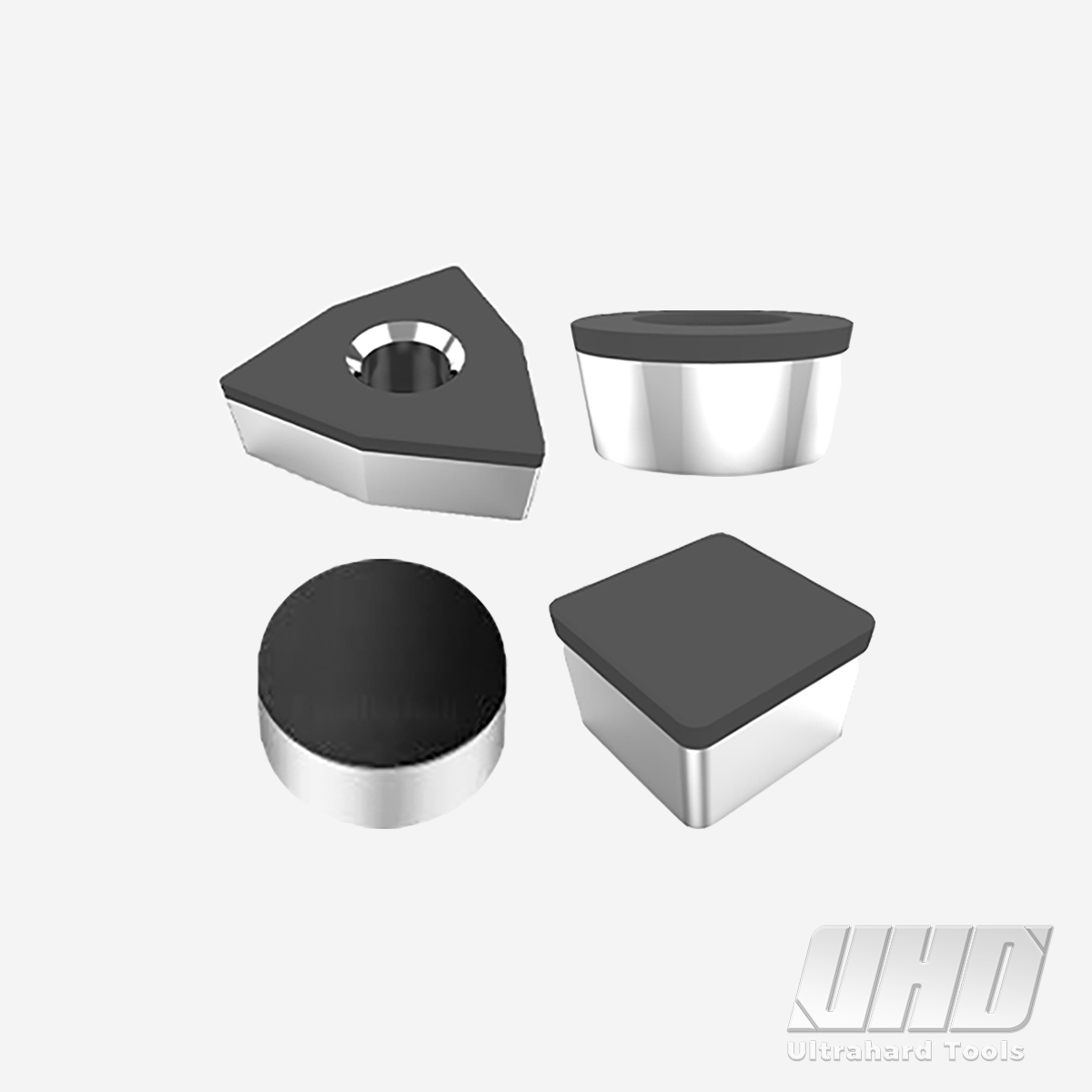
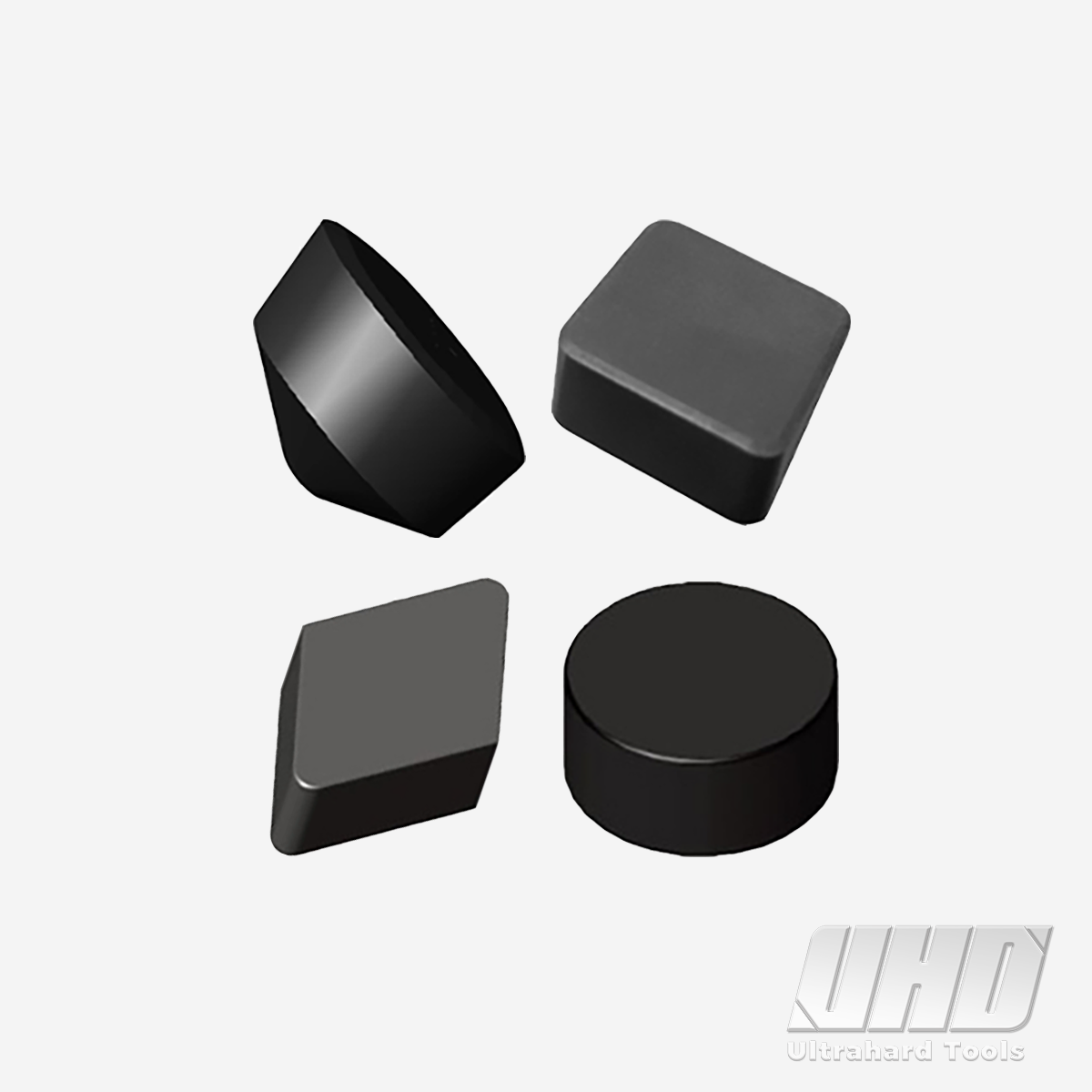
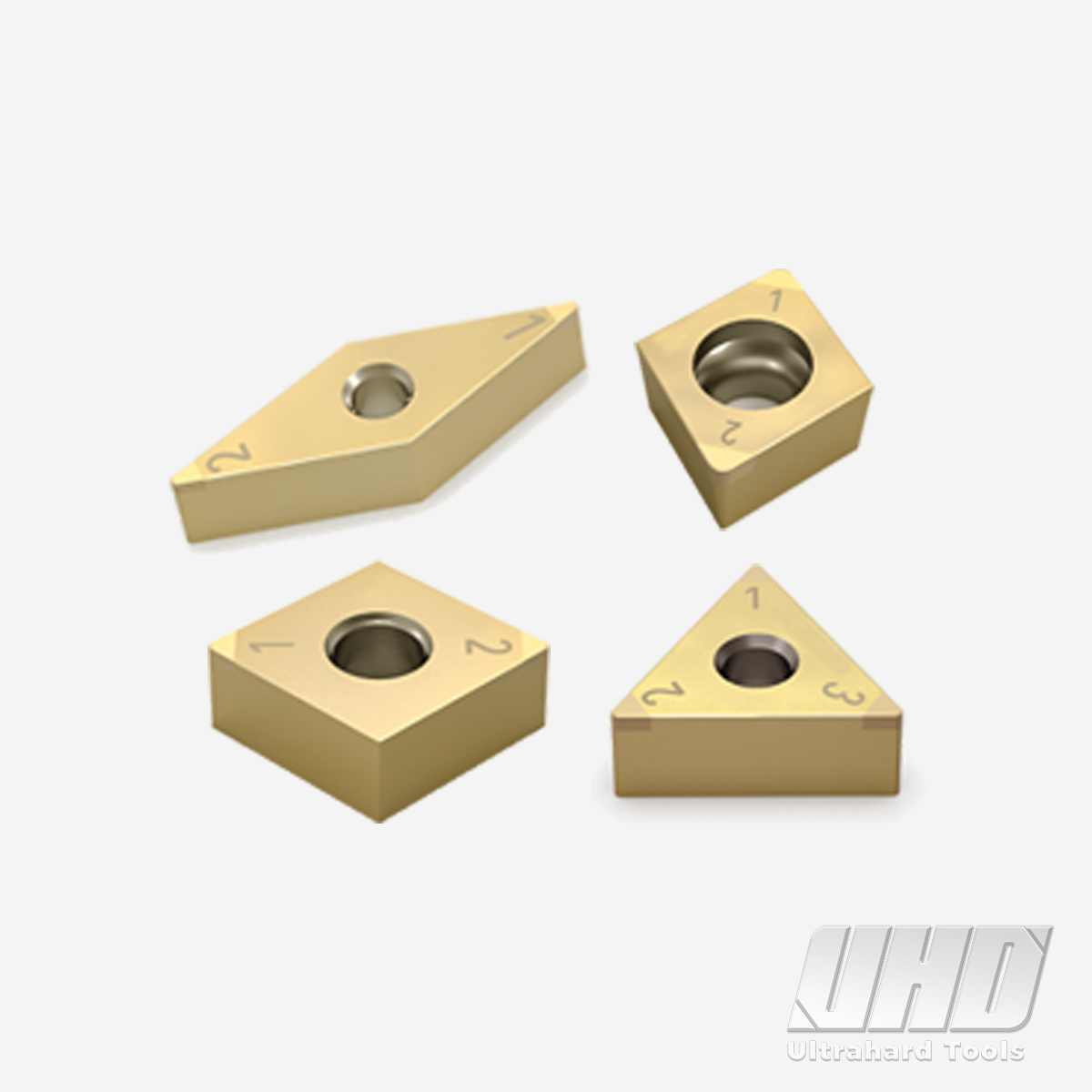
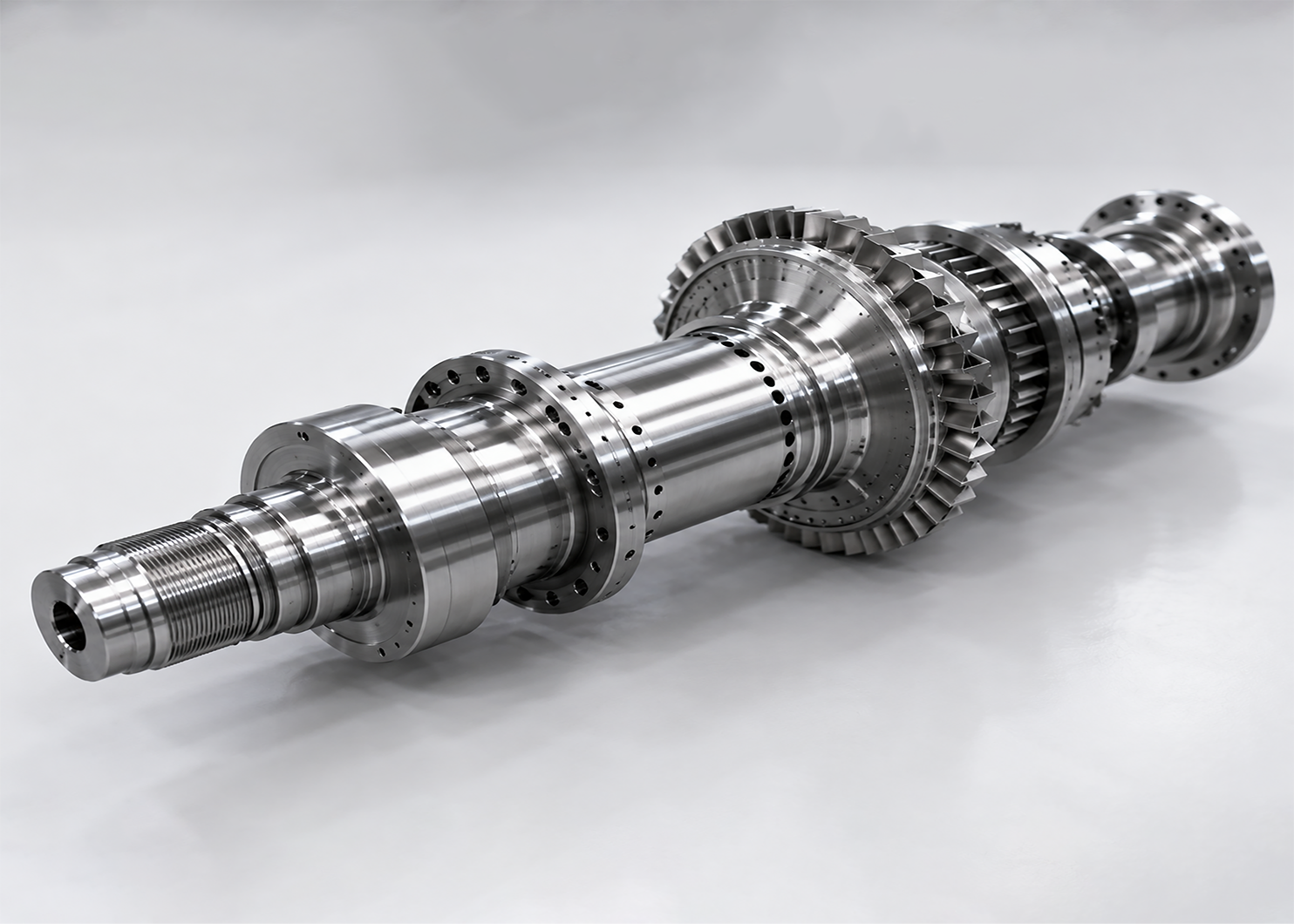
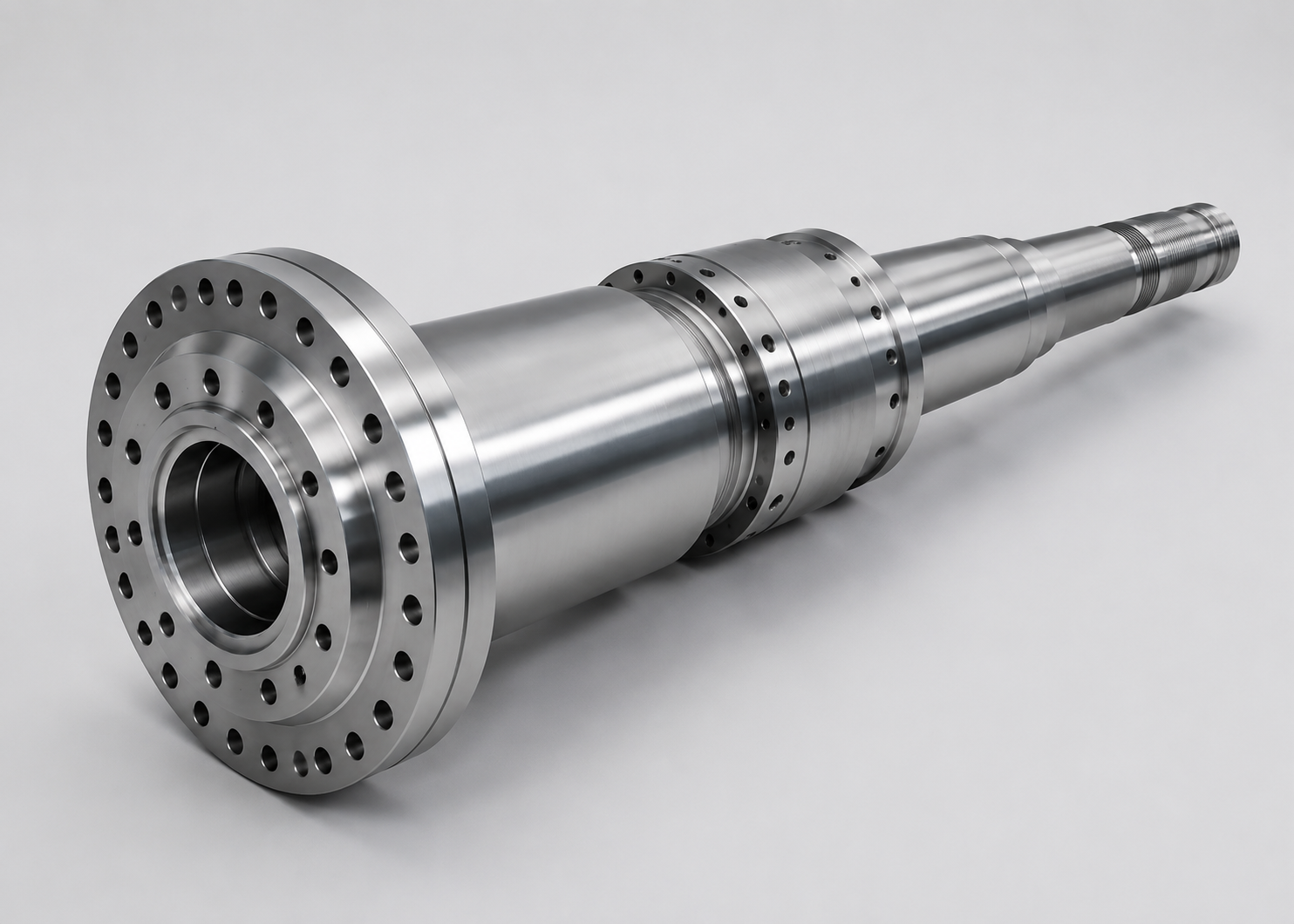
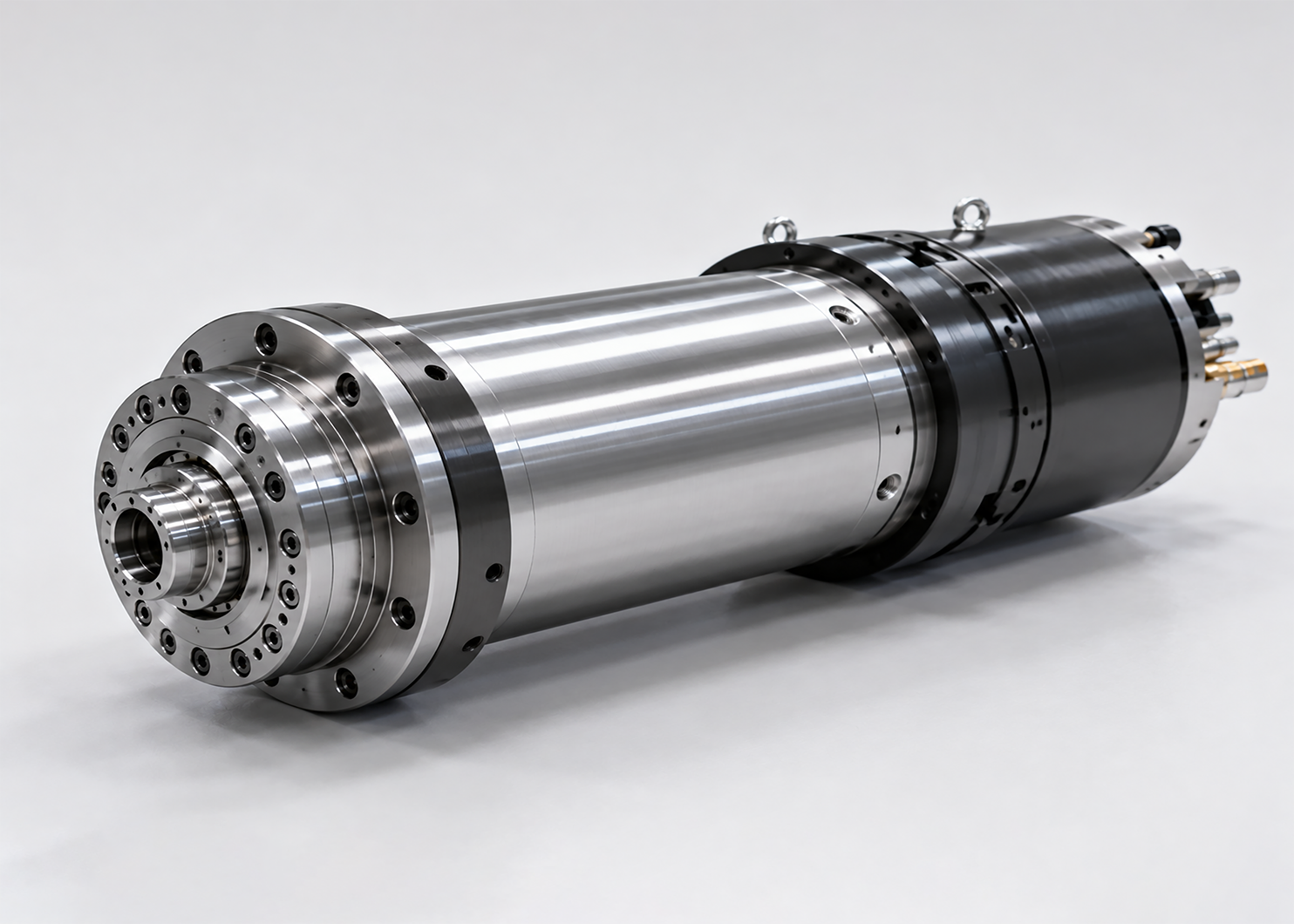
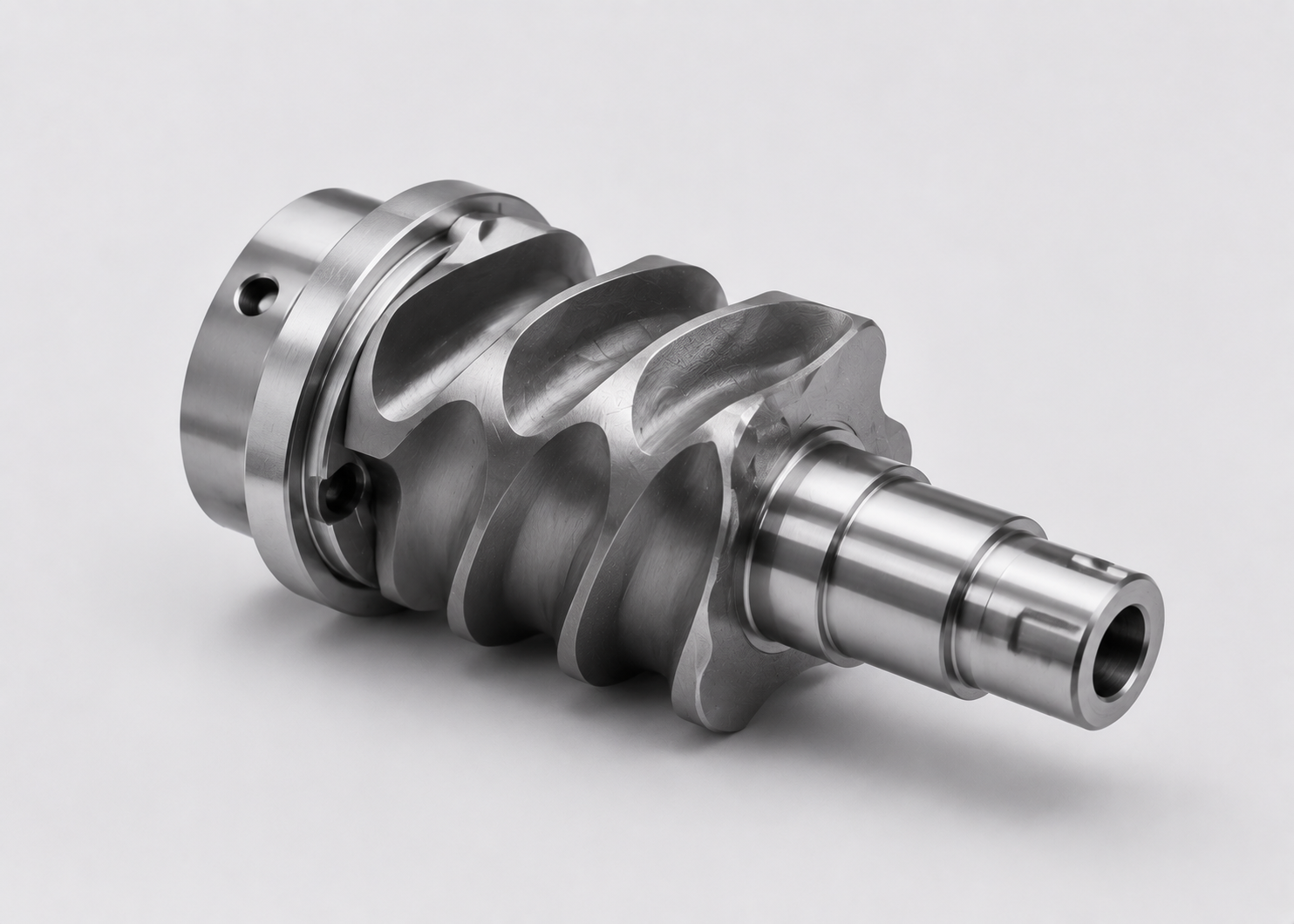
Henan UHD Ultrahard Tools Co., Ltd developed a composite brazed CBN insert solution for finishing carburized and hardened automotive intermediate shafts. By optimizing insert structure, brazing consistency and cutting parameters, the solution improved machining speed, tool life, surface stability and dimensional consistency for automated continuous production.
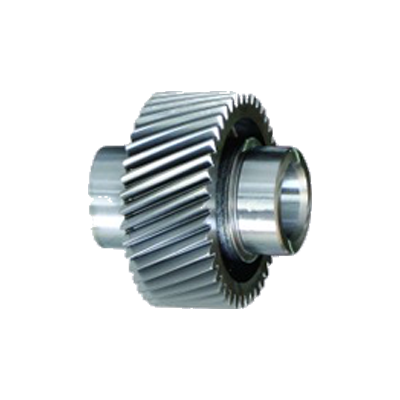
| Industry | Automotive components |
|---|---|
| Workpiece | Intermediate shaft |
| Material | 20CrMnTiH |
| Hardness | HRC 58–62 |
| Machining area | Both end outer diameters |
| Machining type | Continuous precision finishing |
| Insert grade | UPN602 C06 |
| Insert style | DNGA150408 |
| Cutting mode | Dry cutting |
| Cutting parameters | Vc = 200 m/min ap = 0.25 mm f = 0.08 mm/r |
| Tool Solution | Vc (m/min) | Efficiency (sec/piece) | Tool Life (pieces/edge) | Result |
|---|---|---|---|---|
| Japan brand CBN insert | 120 | 7 s | 150 | Baseline |
| UHD UPN602 C06 | 200 | 3 s | 200 | Efficiency improved by 57% Tool life increased by 33% |
The intermediate shaft enters final machining after carburizing and hardening. At a finishing allowance of 0.2–0.5 mm, the production line needed to control surface marks, dimensional variation, and tool wear while maintaining a short machining cycle. These requirements became more critical in continuous automated production, where frequent tool changes or unstable finishing can disrupt line rhythm and affect assembly consistency.
Henan UHD Ultrahard Tools Co., Ltd. configured a composite brazed CBN insert solution around the UPN602 C06 grade. The approach combined insert structure, brazing consistency, edge configuration, chip control, and cutting parameters rather than treating the insert as an isolated consumable.
The solution was introduced through a controlled replacement and validation process. Existing tool performance established the baseline for cycle time and edge life. Cutting speed was then increased in stages while surface quality and stability were monitored. Batch trials assessed dimensional consistency and wear progression before the insert was applied on the automated line. The upgrade was completed through tooling and parameter optimization without changing the machine structure.
This automotive intermediate shaft case shows that small-allowance hardened steel finishing depends on structural stability as well as CBN material performance. For automotive shafts, bearings, gears, and similar hardened components, a coordinated CBN insert strategy can help make finishing quality more consistent, reduce tool-change interruptions, and create a more controllable production rhythm for automated machining. UHD’s composite brazed CBN insert platform can also be adapted through cutting-head and chipbreaker optimization for related shaft-type applications.
Tell us your workpiece, quantity, and tooling requirement. Our team will reply with a practical solution.